Background
The escalating integration of renewable energy sources has heightened the demand for long-duration energy storage solutions, capable of providing power for hours to days. While lithium-ion batteries excel in short- to medium-duration applications, they face challenges concerning cost and extended discharge periods. Form Energy’s iron-air battery emerges as a critical solution to bridge this gap. Beyond its significant domestic deployment in the U.S., the proposed 10 MW / 1,000 MWh project in Ireland marks a strategic expansion into international markets. This expansion is expected to bolster Europe’s energy supply stability and aid in achieving its decarbonization targets, offering a reliable, non-lithium-dependent alternative for large-scale energy needs.
Key Findings
Form Energy has rapidly advanced the commercialization of its iron-air battery, utilizing reversible rusting technology to achieve grid-scale energy storage capable of sustained discharge for up to 100 hours. This groundbreaking technology addresses the resource constraints and duration limitations of conventional battery technologies, promising significant contributions to renewable energy integration and grid stability. Notably, in Minnesota, a monumental 300 MW / 30 GWh iron-air battery project is underway in partnership with Xcel Energy, poised to be among the world’s largest battery installations. Google has also committed to procuring clean energy from this project, underscoring its pivotal role in decarbonizing data centers. Furthermore, Form Energy has proposed its first international deployment with a 10 MW / 1,000 MWh project in Ireland, signaling the technology’s global ambition.
Technical Details
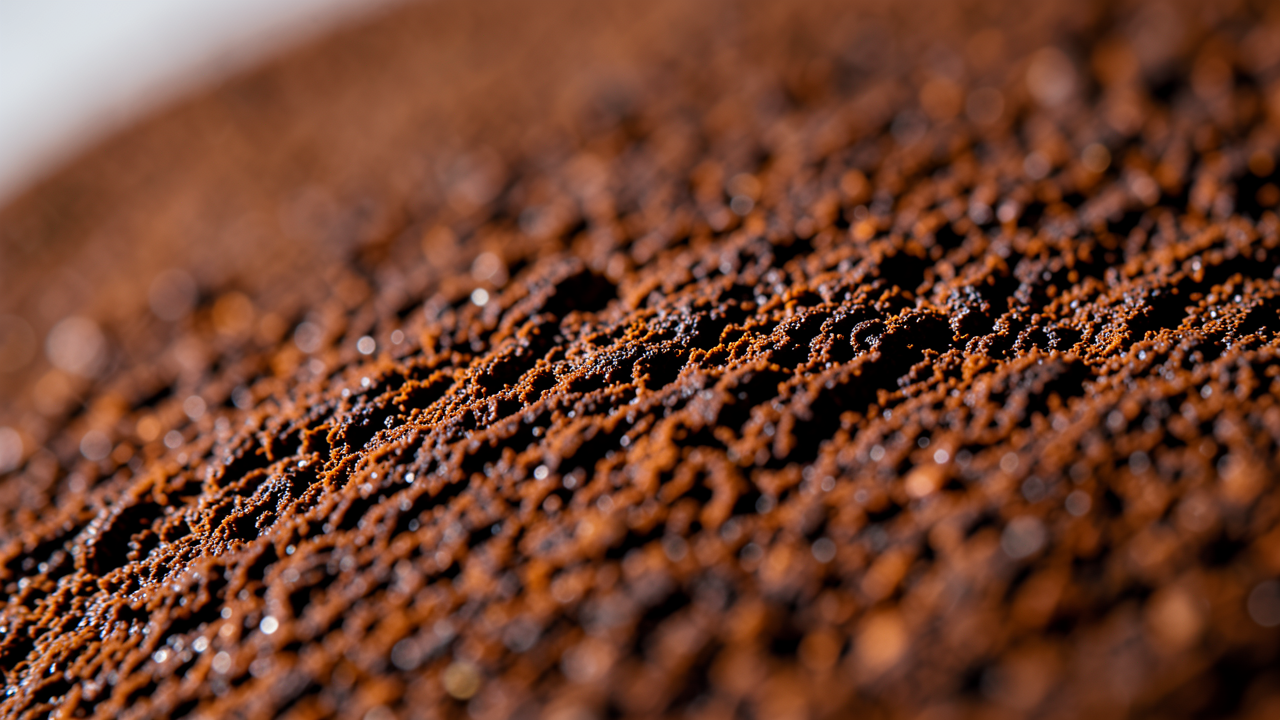
Form Energy’s iron-air battery leverages inexpensive and abundant iron as its primary material, storing energy through a reversible rusting process (redox reaction). Each battery unit, roughly the size of a washing machine, comprises an iron pellet anode and an air-breathing cathode submerged in an aqueous electrolyte. This design enables prolonged energy storage and consistent power delivery. The company envisions that iron-air batteries, alongside LFP, sodium-ion, and grid-forming batteries, will fundamentally redefine energy storage, stabilization, and supply methods for Battery Energy Storage Systems (BESS) and the broader grid. The technology offers advantages such as low cost, inherent safety, and reduced fire risk, making it an ideal candidate for long-duration energy storage applications.
Strategic Significance & Outlook
Form Energy’s iron-air battery, with its extended storage capacity and cost-effectiveness, holds the potential to introduce a new paradigm in the grid-scale energy storage market. The success of the Minnesota project could pave the way for similar deployments globally, accelerating the transition to a more resilient and sustainable energy infrastructure. As this technology scales and manufacturing costs decline, it promises to enhance grid reliability, reduce reliance on fossil fuels, and make significant strides towards realizing a cleaner energy future. Its deployment marks a crucial step in diversifying energy storage options, mitigating supply chain risks associated with critical minerals, and providing robust solutions for fluctuating renewable energy generation.
Source: https://inspenet.com/en/articles/how-will-the-evolution-of-batteries-affect-the-energy-market/
Get our weekly technology intelligence — free
Receive an infographic that lets you judge at a glance whether each field’s analysis report is worth reading.
Subscribe Free — Weekly Tech Intelligence
By subscribing, you’ll receive Troy-Technical’s weekly technology intelligence newsletter.
- Your email and selected fields are used only to deliver the newsletter.
- We never share your information with third parties.
- You can unsubscribe anytime via the link in each email.
See our Privacy Policy for details.
Takes about a minute · Unsubscribe anytime




Comments