


Key Findings
The study demonstrated that people living with serious mental illness (SMI)—including schizophrenia, psychosis, and bipolar disorder—can reliably and safely engage with continuous glucose monitoring technology. Of the 21 eligible participants, 16 agreed to wear a sensor, representing a 76.2 percent uptake rate. Participants wore the devices for an average of 11 days out of the intended 14, and 92.8 percent of returned sensors provided at least five days of usable data. No diabetes-related or mental-health-related adverse events were reported.
Technical Details
Researchers utilized blinded FreeStyle LibrePro sensors, meaning participants did not see real-time readings to avoid the psychological risk of being overwhelmed by data. The study employed a hybrid human-AI analysis to evaluate acceptability: interview transcripts were manually coded via reflexive thematic analysis, and a custom generative pre-trained transformer was then used to map these codes onto the Theoretical Framework of Acceptability and the Theoretical Domains Framework. Clinical data revealed a significant need for such technology, as participants’ time in the target glucose range (3.9 to 10.0 mmol/L) averaged only 56.1 percent, with an average BMI of 37.5 kg/m².
Background & Context
People with SMI are two to three times more likely to develop type 2 diabetes than the general population and lose an estimated 15 to 20 years of life expectancy due to preventable physical illness. Despite this, they are often excluded from research and innovation in routine care. This study, led by Jennifer V.E. Brown of the University of Sheffield and colleagues, was embedded within the larger DIAMONDS feasibility study across six NHS mental health trusts in northern England.
Significance & Outlook
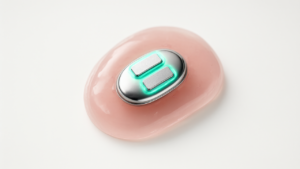
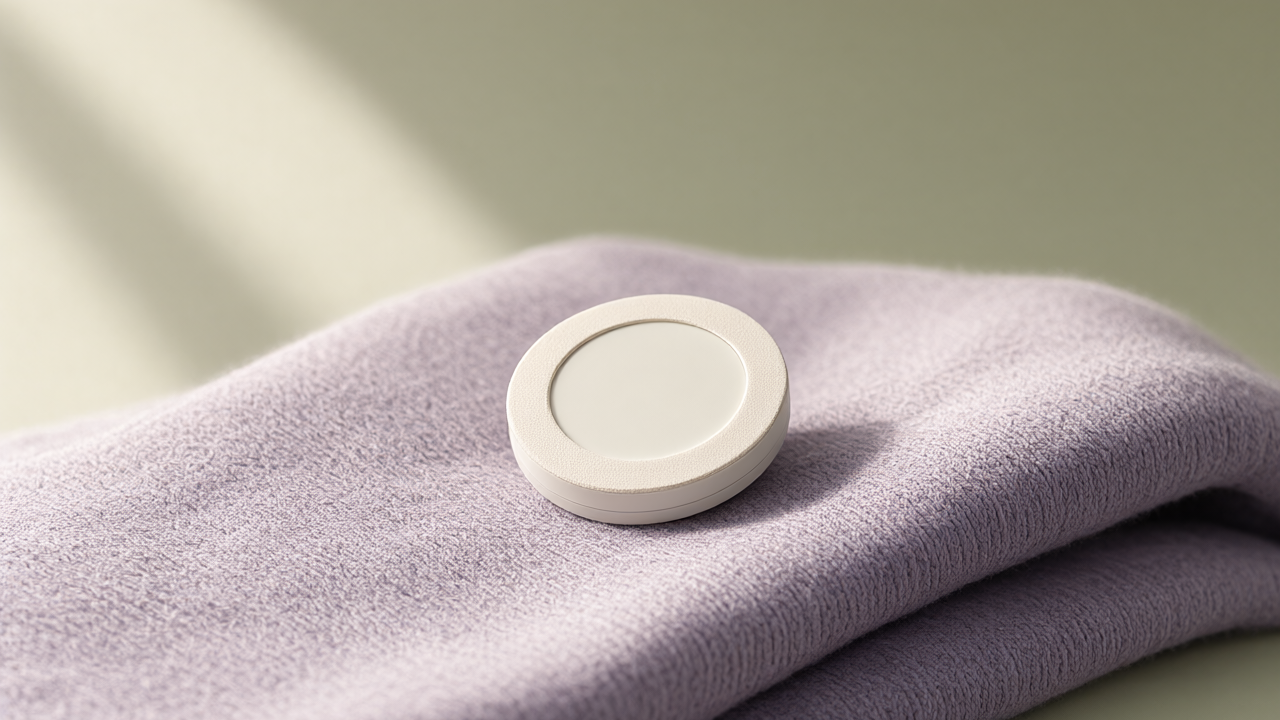
The primary advantage of CGM over traditional finger-prick testing is the dramatic reduction in patient burden, which is critical for individuals already managing psychiatric medications and symptoms. While adhesive failure was noted as a weakness, participants remained willing to use replacement devices. The findings suggest that the discreet design of CGMs reduces perceived effort and aligns with a proactive identity as a research contributor rather than a stigmatized medical patient.
Source: https://bioengineer.org/glucose-sensors-win-over-people-with-serious-mental-illness-study-finds/
Get our weekly technology intelligence — free
Receive an infographic that lets you judge at a glance whether each field’s analysis report is worth reading.
Subscribe Free — Weekly Tech Intelligence
By subscribing, you’ll receive Troy-Technical’s weekly technology intelligence newsletter.
- Your email and selected fields are used only to deliver the newsletter.
- We never share your information with third parties.
- You can unsubscribe anytime via the link in each email.
See our Privacy Policy for details.
Takes about a minute · Unsubscribe anytime