Key Findings
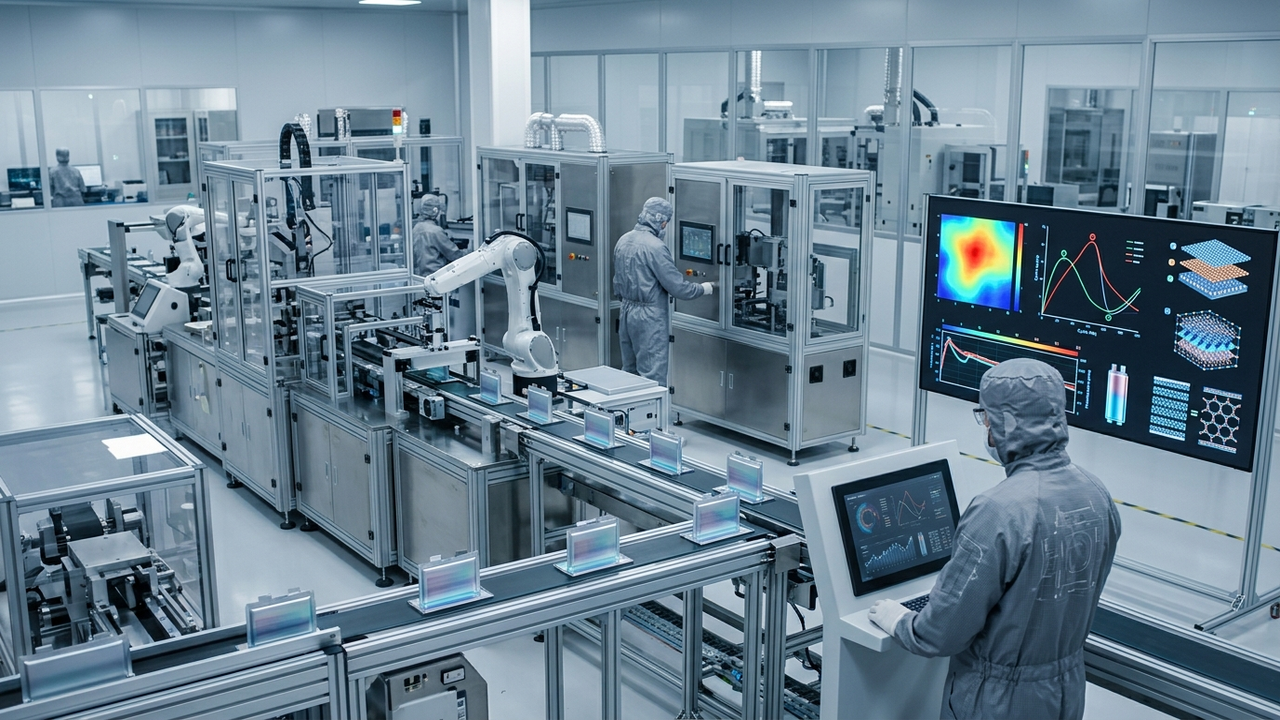
Graphene Manufacturing Group (GMG) has released long-life cycling data for its graphene-aluminum-ion battery technology, signaling a significant advancement toward the commercialization of next-generation batteries with the potential to outperform existing solutions. Concurrently, GMG has commissioned a modular graphene production plant, founded on its proprietary plasma technology, establishing scalable manufacturing capabilities to meet anticipated increases in product demand.
Technical / Clinical Details
GMG’s graphene-aluminum-ion battery is engineered as a high-performance energy storage solution to potentially replace lithium-ion batteries. Aluminum ions, being more abundant and cost-effective than lithium, are expected to combine with graphene electrodes to deliver advantages such as rapid charging, extended lifespan, enhanced safety, and a broad operating temperature range. The recently announced long-life cycling data suggests that these characteristics are achievable not only at the laboratory level but also in practical applications. Furthermore, the newly operational modular graphene production plant efficiently manufactures high-quality graphene using GMG’s proprietary plasma technology. This plant is designed for flexible expansion of production capacity in line with sales growth, enabling the company to rapidly respond to market demand.
Background & Context
The global energy storage market is experiencing rapid expansion, driven by the proliferation of renewable energy, the rise of electric vehicles, and the increasing performance demands of portable devices. While existing lithium-ion batteries offer excellent performance, they face challenges such as resource supply constraints, safety concerns, and environmental impact. Next-generation technologies like graphene-aluminum-ion batteries are therefore poised to overcome these hurdles and contribute to a more sustainable and high-performance society. GMG’s technology, coupled with Australia’s rich natural resources, could also enhance national energy self-sufficiency.
Strategic Significance & Outlook
The announcement of GMG’s long-life cycling data and the commissioning of its production plant delineate a clear roadmap toward the commercialization of graphene-aluminum-ion batteries. Going forward, the company will focus on further performance optimization, safety evaluations, and securing necessary certifications for market launch. If widely adopted, this technology has the potential to trigger a paradigm shift in energy storage across diverse applications, including electric vehicles, grid-scale storage, and consumer electronics. Investors are closely monitoring the long-term growth opportunities presented by this innovative battery technology.
Get our weekly technology intelligence — free
Receive an infographic that lets you judge at a glance whether each field’s analysis report is worth reading.
Subscribe Free — Weekly Tech Intelligence
By subscribing, you’ll receive Troy-Technical’s weekly technology intelligence newsletter.
- Your email and selected fields are used only to deliver the newsletter.
- We never share your information with third parties.
- You can unsubscribe anytime via the link in each email.
See our Privacy Policy for details.
Takes about a minute · Unsubscribe anytime



Comments