
Key Findings
A research team from Pohang University of Science and Technology (POSTECH) has announced the development of flexible wearable garments integrating artificial muscle fibers. This represents a significant stride towards next-generation robotic technology aimed at assisting the physical movements of the elderly and disabled in South Korea. Unlike traditional rigid exoskeletons, this technology gently conforms to the user’s body, assisting natural movements, thereby reducing physical strain on caregivers and enhancing the quality of life for users.
Technical and Clinical Details
The wearable garment incorporates several key technological features:
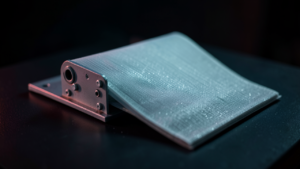
- Artificial Muscle Fibers: Artificial muscle fibers, composed of specialized polymer materials or composite materials, are strategically embedded within the clothing. These fibers possess the ability to contract and expand in response to electrical, thermal, or fluidic stimuli, mimicking human muscle actions.
- Flexible Wearable Design: The garment itself is soft and designed to conform to the user’s body contours, ensuring comfort during prolonged wear. This minimizes discomfort and restriction when the robot assists patient movements.
- Biocompatibility: Given the potential for direct skin contact, the materials used are selected for high biocompatibility, minimizing the risk of allergic reactions or skin irritation.
- Lightweight and Low Power Consumption: Designed for daily use, the overall system is lightweight and engineered for low power consumption, enabling extended use.
This technology primarily focuses on assisting movements that the elderly and disabled often find challenging in daily life, such as walking support, standing up, and lifting arms. Unlike conventional electric wheelchairs or nursing beds, it specializes in ‘assistive’ functions that augment the user’s own intent to move, potentially contributing to the preservation and improvement of residual physical functions.
Background and Industry Context
South Korea faces a rapidly aging society, leading to a growing demand for care and rehabilitation services. However, caregivers bear significant physical and mental burdens, and labor shortages are severe. Against this backdrop, there is increasing expectation for robotic technologies that support the independence of the elderly and disabled and alleviate caregiver burdens. Previous assistive robots often featured rigid exoskeleton structures, presenting challenges in terms of wearability, design, and cost. Flexible wearable robots, such as those announced by POSTECH, have the potential to overcome these challenges and facilitate broader adoption.
Strategic Significance and Outlook
Wearable garments embedded with artificial muscle fibers could introduce a new paradigm shift in the field of assistive robotics. Future research and development will likely focus on:
- Performance Improvement: Further enhancing the power density, response speed, and durability of artificial muscle fibers.
- Intelligent Control: Developing AI control algorithms that can more accurately interpret user intent and provide optimal, natural assistance at the right time.
- Diversification of Design and Functionality: Creating diverse designs that cover not only specific body parts but also the entire body, and developing products that integrate multiple functions.
- Cost Reduction and Mass Production: Optimizing manufacturing processes to provide advanced technology at a more affordable price point.
If commercialized, this technology is expected to enable the elderly and disabled to lead longer, more active lives, significantly contributing to solving social issues in the care sector. It also holds potential for broader applications in sports assistance and labor support.
Get our weekly technology intelligence — free
Receive an infographic that lets you judge at a glance whether each field’s analysis report is worth reading.
Subscribe Free — Weekly Tech Intelligence
By subscribing, you’ll receive Troy-Technical’s weekly technology intelligence newsletter.
- Your email and selected fields are used only to deliver the newsletter.
- We never share your information with third parties.
- You can unsubscribe anytime via the link in each email.
See our Privacy Policy for details.
Takes about a minute · Unsubscribe anytime







Comments