Key Findings
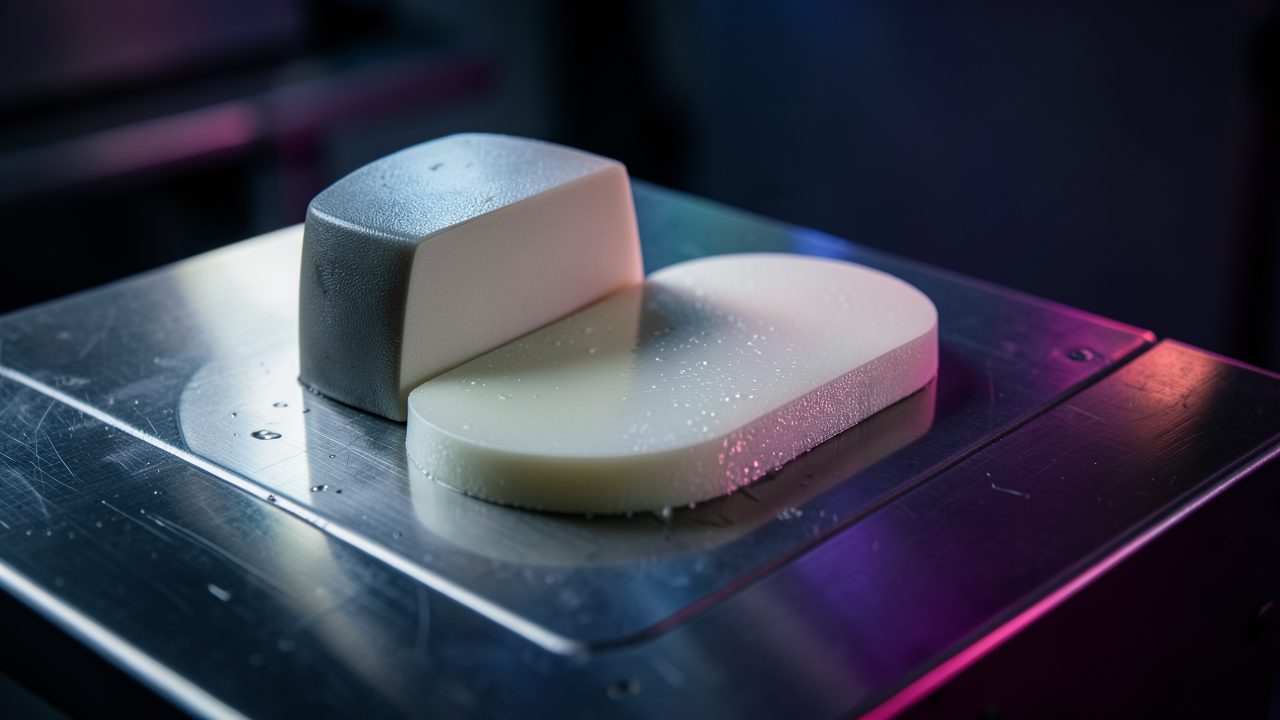
A research team at the Korea Advanced Institute of Science and Technology (KAIST) has successfully developed new bio-based hot-melt adhesive polymers, specifically poly(4HB-co-PhLA) and poly(3HB-co-4HB-co-PhLA), using metabolically engineered E. coli bacteria fed with glucose. This innovative biodegradable adhesive not only offers a sustainable alternative to petroleum-derived glues but also exhibits superior adhesive performance on stainless steel.
Technical Details
- The KAIST team precisely manipulated the metabolic pathways of E. coli to enable the direct biosynthesis of these complex polymers from glucose, establishing a fossil-fuel-independent production process.
- In adhesion strength tests on stainless steel, the bio-adhesive achieved a remarkable 4.58 megapascals (MPa). This figure surpasses the 4.20 MPa recorded by a comparable commercial petroleum-based hot-melt adhesive, indicating a significant advancement in adhesive strength coupled with favorable thermal properties.
- The developed polymers are fully biodegradable and show promising applications across diverse industrial sectors, including packaging, furniture, electronics, and automotive manufacturing. Further research is exploring methods to tune properties such as flexibility and heat resistance, allowing for tailored performance in various end-use scenarios.
Background & Context
Adhesives are ubiquitous in modern manufacturing, but the prevalent reliance on petroleum-based products raises environmental concerns regarding sustainability and waste management. Even in products designed to be biodegradable, the non-biodegradable nature of the adhesives themselves can hinder overall recyclability. The KAIST research directly addresses this challenge by making the adhesive material bio-based and biodegradable, thereby enhancing the sustainability of the entire product lifecycle.
This study underscores the expanding potential of systems metabolic engineering, demonstrating its capability not just for basic polymer synthesis but for producing sophisticated functional materials with high added value. It represents a critical breakthrough in the field of bioplastics.
Strategic Significance & Outlook
The development of this bio-hot-melt adhesive marks a significant step towards achieving a more sustainable society and advancing green chemistry principles. The ability to produce high-performance adhesives from renewable resources reduces dependence on fossil fuels and mitigates environmental impact. Future efforts will focus on scaling up production, optimizing cost-effectiveness, and conducting extensive validation tests in various industrial applications. Given the growing demand for high-performance and eco-friendly materials, particularly in the automotive and electronics sectors, this technology is poised for widespread commercial adoption.
Source: https://www.eurekalert.org/news-releases/1144212
Get our weekly technology intelligence — free
Receive an infographic that lets you judge at a glance whether each field’s analysis report is worth reading.
Subscribe Free — Weekly Tech Intelligence
By subscribing, you’ll receive Troy-Technical’s weekly technology intelligence newsletter.
- Your email and selected fields are used only to deliver the newsletter.
- We never share your information with third parties.
- You can unsubscribe anytime via the link in each email.
See our Privacy Policy for details.
Takes about a minute · Unsubscribe anytime





Comments