Key Findings: U.S. Battery Recycling Attracts Billions in Construction, Redwood Materials Expands Significantly
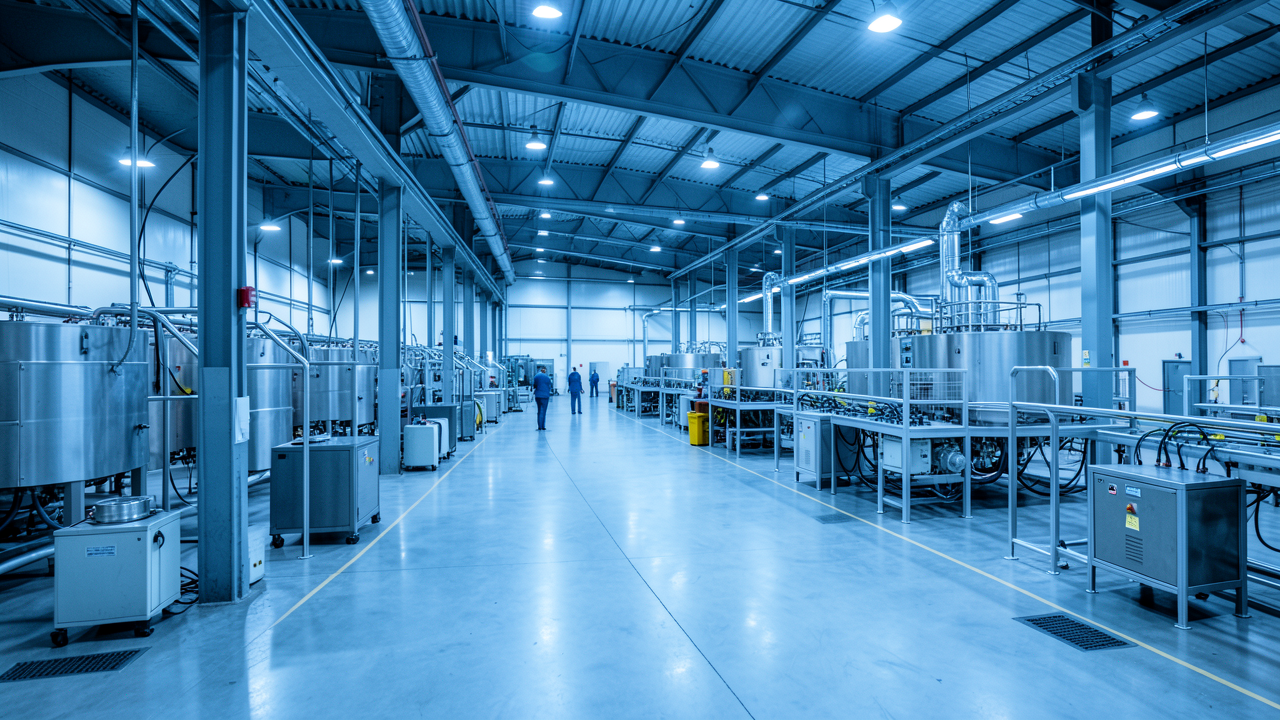
The United States is witnessing a multi-billion dollar construction investment wave across its metal and mineral sector, with a significant focus on battery recycling initiatives. At the forefront of this trend is Redwood Materials, which is undertaking a substantial expansion of its lithium-ion battery and consumer electronics recycling facility in Nevada. This expansion project is projected to boost annual copper foil production to 35,000 metric tons and cathode active material recovery to approximately 100,000 metric tons by 2028, underscoring a robust drive towards strengthening domestic supply chains.
Project Details and Technical Significance
Redwood Materials’ Nevada facility utilizes advanced recycling processes to recover critical metals from end-of-life lithium-ion batteries and electronic devices. The current expansion is not merely about increasing processing capacity but also enhancing the quality and volume of recovered materials to integrate them back into the battery manufacturing supply chain. The target figures of 35,000 tons of copper foil and 100,000 tons of cathode active material are particularly impactful, as they represent a substantial reduction in reliance on virgin mining and are pivotal for establishing a sustainable, circular economy for battery production.
Background & Industry Context
The escalating global demand for electric vehicles (EVs) and the transition to renewable energy sources have created an immense appetite for battery materials. However, the mining and refining of these materials pose significant environmental challenges and geopolitical risks due to concentrated supply chains. The U.S. government, through policies like the Inflation Reduction Act (IRA), has been actively promoting domestic manufacturing and recycling to build a resilient supply chain. The multi-billion dollar investments currently underway are a direct response to these policy incentives and the burgeoning market demand, signifying a national commitment to energy independence and environmental stewardship.
Strategic Significance & Outlook
These large-scale investment projects are set to accelerate the growth of the U.S. battery recycling industry, laying a fundamental groundwork for the nation’s clean energy economy. Redwood Materials’ expansion, in particular, marks a critical step towards realizing a circular economy model, which is expected to drive down battery manufacturing costs, reduce environmental impact, and stabilize supply chains in the long run. By fostering such domestic capabilities, the U.S. aims to significantly enhance its international competitiveness in battery technology and manufacturing, securing its position in the future energy landscape.
Get our weekly technology intelligence — free
Receive an infographic that lets you judge at a glance whether each field’s analysis report is worth reading.
Subscribe Free — Weekly Tech Intelligence
By subscribing, you’ll receive Troy-Technical’s weekly technology intelligence newsletter.
- Your email and selected fields are used only to deliver the newsletter.
- We never share your information with third parties.
- You can unsubscribe anytime via the link in each email.
See our Privacy Policy for details.
Takes about a minute · Unsubscribe anytime







Comments