


Key Findings
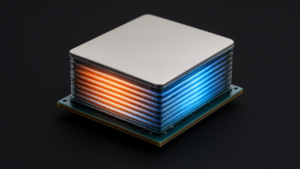
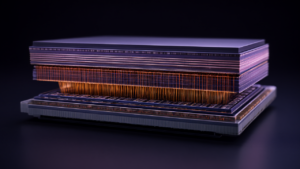
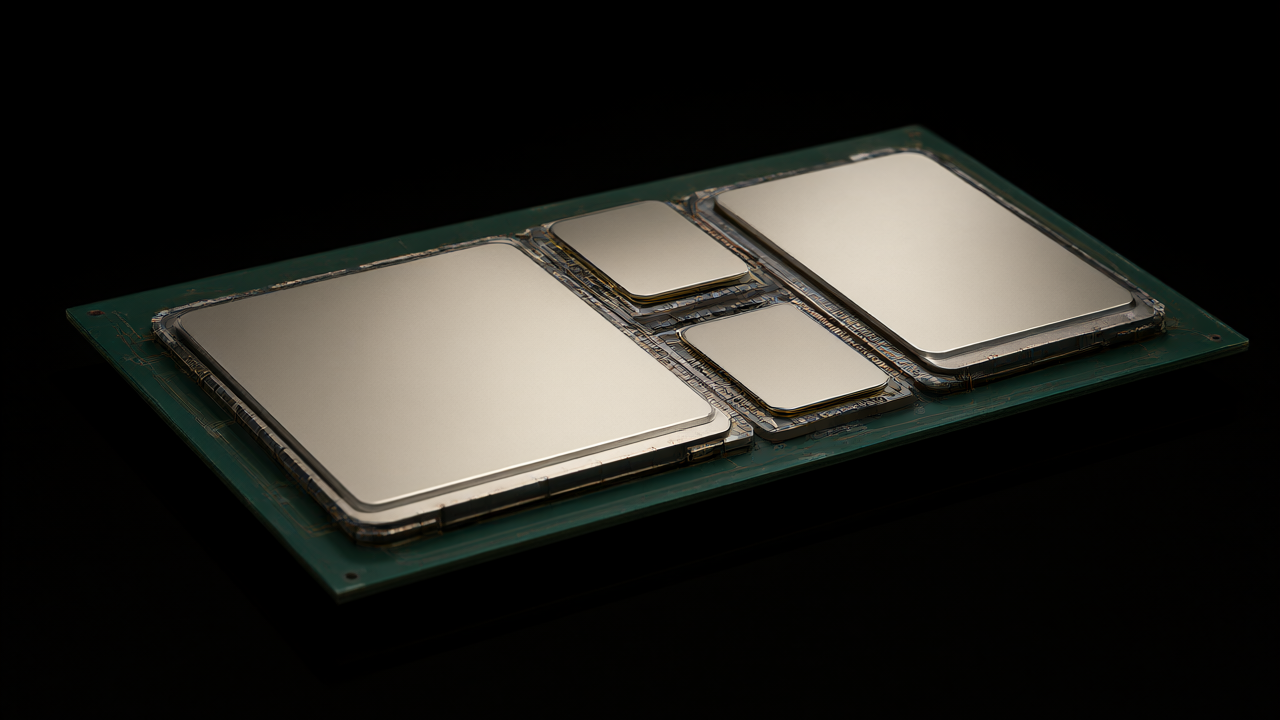
Google continues to use Intel’s EMIB-T packaging for its HumuFish TPU v9 variant, despite reports that substrate yields were approximately 35% in 3Q26, missing the 50% year-end target. While there was speculation regarding a switch to TSMC’s CoWoS-L, supply chain checks indicate HumuFish remains “100%” committed to EMIB-T. However, the project faces potential delays; the tape-out of the TSMC N2-based Compute Die A was pushed to late October, and design revisions could move the HumuFish tape-out to January 2027, potentially delaying shipments until 1Q28.
Technical Details
The yield challenges for EMIB-T substrates stem from two primary technical hurdles:
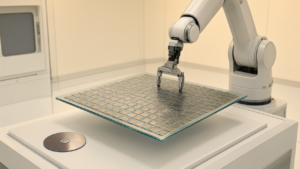
- Thermal expansion differences between ABF substrates and embedded silicon bridges, which complicate precise alignment during high-temperature processing.
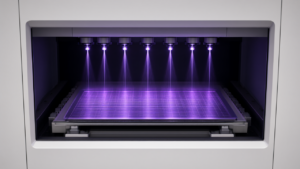
- Air bubbles trapped in the Non-Conductive Film (NCF) applied beneath the bridges’ TSVs during bonding, which can weaken adhesion.
To address these, Intel has adjusted its substrate electroplating process, while suppliers Ibiden, Unimicron, and Shinko are working to improve yields.
Background and Context
The TPU v9 lineup consists of three variants with split packaging orders:
- WhaleFish: Designed by Broadcom, using TSMC CoWoS-L, with mass production slated for 2H27.
- HumuFish: Designed by MediaTek, using Intel EMIB-T, with mass production targeted for 1H28.
- TriggerFish: An upgraded TPU v9 for stronger inference, using Intel EMIB-T, targeted for 2H28 or later. It features HBM4E (upgraded from HumuFish’s HBM4), 2–3 times the SRAM capacity, and an additional simulation die.
Significance and Outlook
The success of the HumuFish timeline depends on how quickly substrate yields climb and whether design milestones are met. Because mass production is not slated until 1H28, the supply chain has a window to resolve EMIB-T issues, though a January 2027 tape-out would compress this cushion. The outcome represents a key test of Intel’s ability to secure and maintain large external customers for its advanced packaging services.
Get our weekly technology intelligence — free
Receive an infographic that lets you judge at a glance whether each field’s analysis report is worth reading.
Subscribe Free — Weekly Tech Intelligence
By subscribing, you’ll receive Troy-Technical’s weekly technology intelligence newsletter.
- Your email and selected fields are used only to deliver the newsletter.
- We never share your information with third parties.
- You can unsubscribe anytime via the link in each email.
See our Privacy Policy for details.
Takes about a minute · Unsubscribe anytime