

Key Findings
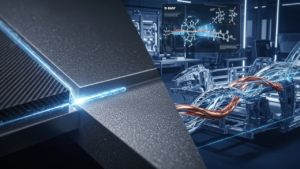
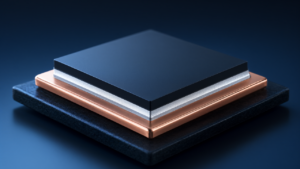
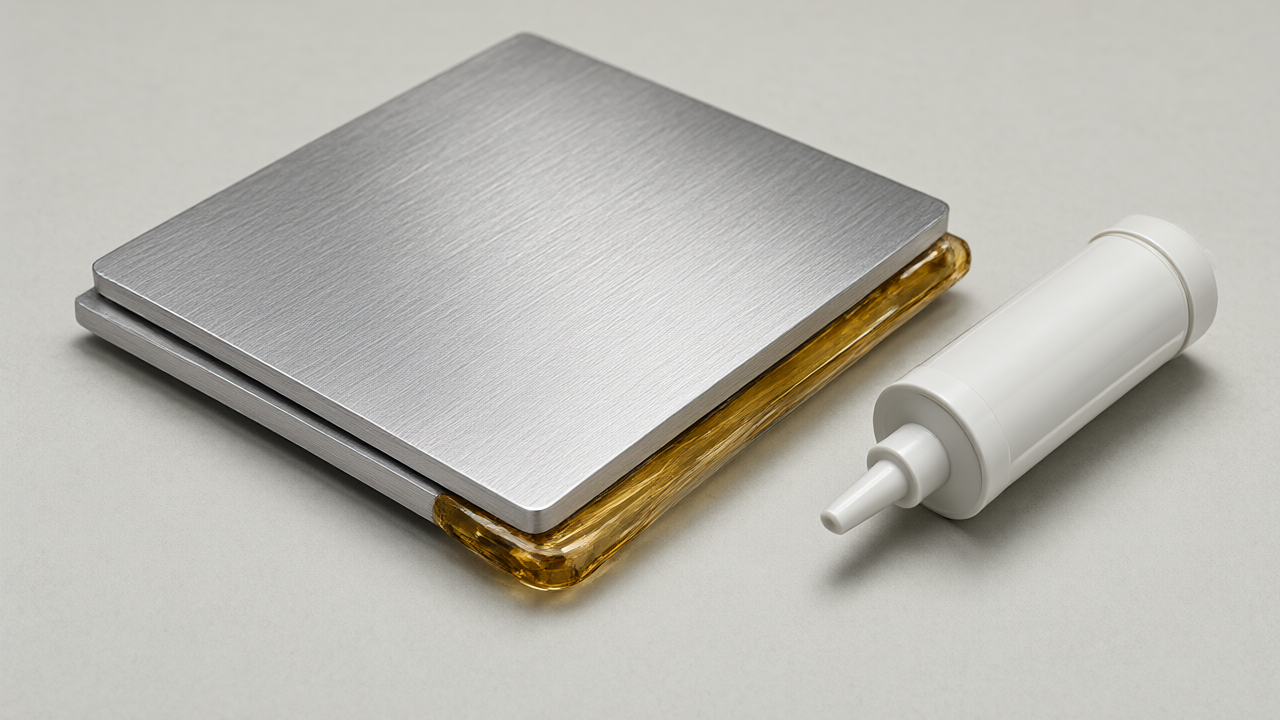
Dai-ichi Kogyo Seiyaku has developed a two-component room-temperature curing urethane resin that maintains high glass transition temperature (Tg) and physical properties while significantly enhancing adhesion to metals. Specifically, the adhesion performance to aluminum has increased approximately 3 times compared to conventional products, with overall metal adhesion improvements ranging from 3 to 11 times.
Technical Details
The material is a two-component system consisting of polyol and isocyanate liquid components. Unlike epoxy resins, which typically require heat for curing, this urethane resin cures at room temperature. Despite the lack of heat treatment, the resin maintains high Tg, long-term durability, and physical properties comparable to those of epoxy resins.
Background and Context
The development addresses the industry challenge of balancing high physical properties with strong adhesion to metal substrates such as aluminum, copper, and iron. This need is driven by the increasing functional requirements of automotive and home appliance components. Additionally, the shift toward decarbonization has created a demand for manufacturing processes that reduce CO2 emissions by eliminating energy-intensive heating stages.
Significance and Outlook
By removing the requirement for heating during the curing process, the resin enables a reduction in energy consumption and allows for the simplification of manufacturing equipment. The company intends to evaluate the material for several specific applications, including:
- Battery peripheral components in the automotive and home appliance sectors.
- Sealing and fixing of electronic components.
- Adhesion for metal housings.
The development aims to contribute to sustainable society goals by reducing environmental loads and improving production efficiency for manufacturers.
Source: https://www.jiji.com/jc/article?k=000000229.000073630&g=prt
Get our weekly technology intelligence — free
Receive an infographic that lets you judge at a glance whether each field’s analysis report is worth reading.
Subscribe Free — Weekly Tech Intelligence
By subscribing, you’ll receive Troy-Technical’s weekly technology intelligence newsletter.
- Your email and selected fields are used only to deliver the newsletter.
- We never share your information with third parties.
- You can unsubscribe anytime via the link in each email.
See our Privacy Policy for details.
Takes about a minute · Unsubscribe anytime