
Key Findings
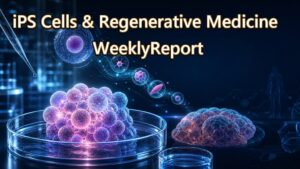
Sana Biotechnology is making significant strides with its Hypoimmune Platform (HIP) technology, particularly with UP421, an iPSC-derived allogeneic islet cell product currently in a Phase 1 clinical trial for type 1 diabetes. This innovative therapy aims to circumvent the lifelong immunosuppression typically required for conventional islet transplantation, potentially offering a transformative improvement in the quality of life for diabetes patients.
Technical / Clinical Details
UP421 is designed by differentiating induced pluripotent stem cells (iPSCs) into islet cells, then modifying them using Sana’s proprietary HIP technology. This involves suppressing the expression of major histocompatibility complex (MHC) class I and II, and overexpressing CD47 to evade detection by the immune system. This engineering is expected to significantly reduce the risk of immune rejection, enabling long-term engraftment of the transplanted cells without immunosuppressive drugs. In preclinical development, another HIP-modified stem cell-derived islet cell therapy, SC451, is also being pursued, with the ultimate goal of achieving a functional cure for type 1 diabetes.
Sana’s pipeline extends beyond diabetes, encompassing oncology and autoimmune diseases. The company is also developing CD8-targeted fusosomes, SG293 and SG299, aimed at B-cell hematologic malignancies and B-cell mediated autoimmune disorders. These fusosomes represent a novel modality designed to precisely target and modulate immune cells.
Background & Context
While insulin injections are the standard treatment for type 1 diabetes, islet transplantation offers the potential for a functional cure but is hampered by the side effects of chronic immunosuppression. Sana’s HIP technology is addressing this critical barrier, representing a potential breakthrough for allogeneic cell therapies by overcoming immune rejection—one of the biggest challenges in the field. This platform holds promise for broad application across various transplant and cell therapy contexts. Sana has strategic partnerships, including licensing agreements with Beam Therapeutics and Harvard College, and a collaboration with Mayo Clinic, to accelerate its R&D efforts.
Strategic Significance & Outlook
Future data from the UP421 Phase 1 trial will be crucial for validating the clinical viability of the HIP technology. Success in this area would not only revolutionize type 1 diabetes treatment but also pave the way for solving immune rejection issues in other allogeneic organ and tissue transplantations. The progress in its oncology and autoimmune disease pipelines further demonstrates Sana’s potential to deliver innovative cell therapy solutions across a wide range of diseases, underscoring its role as a key player in the future of regenerative medicine.
Get our weekly technology intelligence — free
Receive an infographic that lets you judge at a glance whether each field’s analysis report is worth reading.
Subscribe Free — Weekly Tech Intelligence
By subscribing, you’ll receive Troy-Technical’s weekly technology intelligence newsletter.
- Your email and selected fields are used only to deliver the newsletter.
- We never share your information with third parties.
- You can unsubscribe anytime via the link in each email.
See our Privacy Policy for details.
Takes about a minute · Unsubscribe anytime





Comments