Key Findings
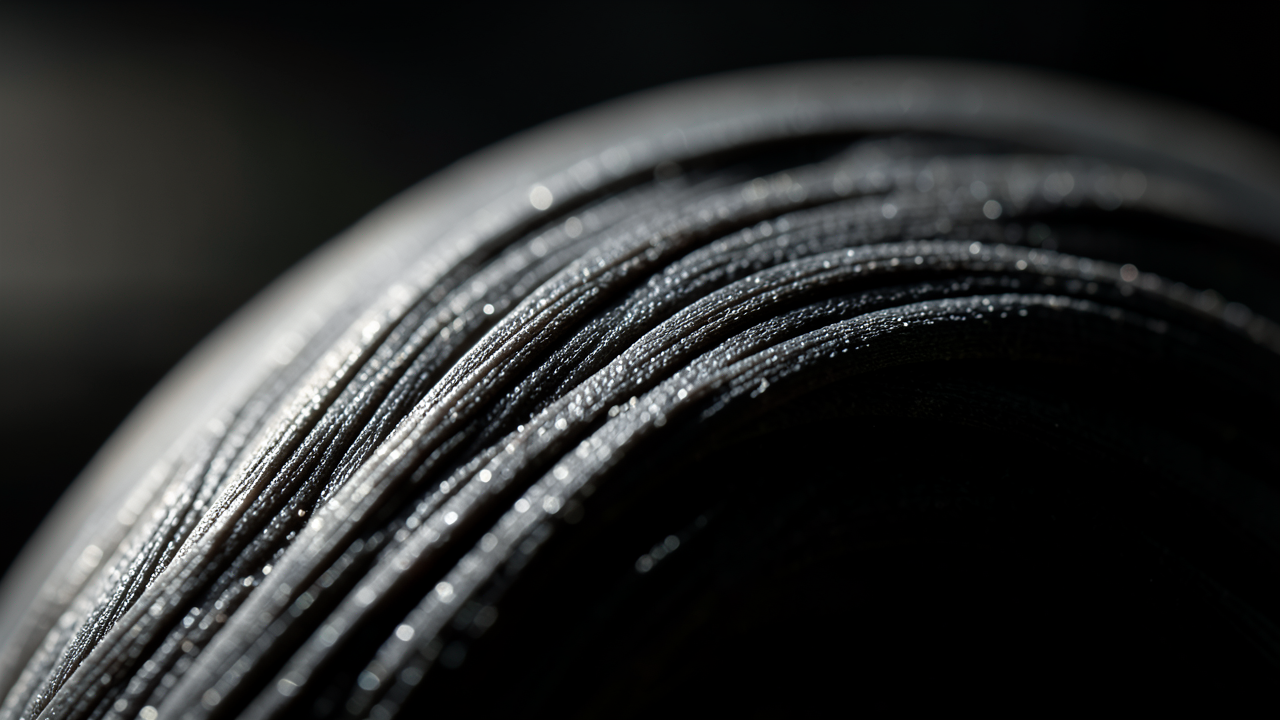
Bilby3D has launched a range of high-temperature 3D printing filaments engineered to endure extreme heat and stress, targeting demanding applications in aerospace, automotive, tooling, and general industrial sectors. The highlight of this release includes advanced polymers such as 3DXTech ThermaX TPI (Thermoplastic Polyimide) and ThermaX PEEK, which boast operational temperature capabilities above 120°C. These new materials promise exceptional mechanical properties, thermal stability, and chemical resistance, marking a significant step forward in extending the functional capabilities of additively manufactured parts.
Technical / Clinical Details
The new filament portfolio encompasses materials like high-temperature nylon (HTN), partially aromatic polyamides (PPA), polycarbonate (PC), and polysulfone (PPSU). Each material is selected for its enhanced thermal performance compared to conventional polymers, which typically exhibit softening points between 150°C and 200°C. Specifically, ThermaX TPI leverages the inherent properties of polyimides, providing extremely high continuous use temperatures and radiation resistance. ThermaX PEEK offers an unparalleled combination of strength, stiffness, fatigue resistance, creep resistance, and broad chemical inertness. The high heat deflection temperatures (HDT) of these filaments ensure dimensional stability and structural integrity even under prolonged exposure to elevated temperatures, which is critical for their intended applications. Material engineering efforts focused on optimizing interlayer adhesion and minimizing warping during the 3D printing process, addressing common challenges with high-performance polymers.
Background & Context
Industries such as aerospace and automotive are increasingly looking to 3D printing for lightweighting and producing complex geometries. However, the limited thermal and mechanical performance of existing 3D printable polymers has historically constrained their use in high-stress, high-temperature environments, such as engine components, structural elements near heat sources, and specialized tooling. The introduction of these high-temperature filaments by Bilby3D directly addresses these unmet needs. This innovation facilitates the transition from heavier, more complex-to-manufacture metal parts to advanced polymer components, offering benefits in weight reduction, design freedom, and potentially lower production costs. The commercial availability of 3D printable super-engineering plastics like PEEK and TPI represents a maturation of additive manufacturing, moving it beyond prototyping into direct part production for critical applications.
Strategic Significance & Outlook
The availability of these robust, high-temperature 3D printing filaments is expected to drive significant innovation across multiple sectors. For aerospace, it opens new avenues for lightweight structural components and cabin interiors. In automotive, it can lead to more durable under-the-hood parts and sophisticated sensor housings. The broader industrial sector will benefit from improved jigs, fixtures, and custom machinery parts that operate reliably in harsh conditions. As adoption grows, further research and development will likely focus on enhancing processing ease, reducing material costs, and expanding the range of functional properties (e.g., electrical conductivity, specific fire retardancy). This trajectory positions 3D printing to become an even more indispensable manufacturing method, capable of creating high-value, high-performance products that were previously impossible or uneconomical to produce.
Source: https://b3d.com.au/dispcat.asp?catid=11&subcatid=178
Get our weekly technology intelligence — free
Receive an infographic that lets you judge at a glance whether each field’s analysis report is worth reading.
Subscribe Free — Weekly Tech Intelligence
By subscribing, you’ll receive Troy-Technical’s weekly technology intelligence newsletter.
- Your email and selected fields are used only to deliver the newsletter.
- We never share your information with third parties.
- You can unsubscribe anytime via the link in each email.
See our Privacy Policy for details.
Takes about a minute · Unsubscribe anytime








Comments