


Key Findings
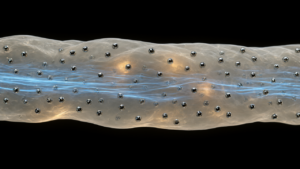
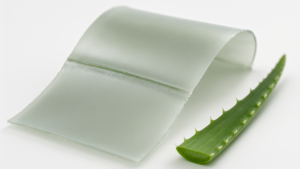
The PV-EP/DDM coating achieved 2,640 hours of continuous salt spray testing without visible corrosion. This bio-based system integrates four distinct functionalities: long-term marine corrosion protection, intrinsic flame retardancy (UL-94 V-0 classification), antibacterial activity, and thermal self-healing capabilities.
Technical Details
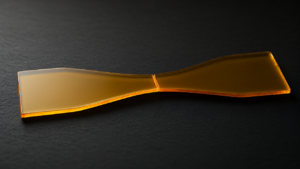
The coating was synthesized using a bio-based epoxy precursor (PV-EP) created from vanillin and 3-(4-aminophenyl)propionic acid, which incorporates a Schiff base structure. This precursor was cured with 4,4′-diaminodiphenyl methane (DDM). The resulting material exhibits the following physical and thermal properties:
- Glass transition temperature (Tg): 197 °C
- Young’s modulus: 5,132 MPa
- Crosslinking density: 8,978 mol/m³
- Char yield (at 800 °C in nitrogen atmosphere): 45.4 %
Compared to a standard bisphenol A reference, the PV-EP/DDM coating shows a 28 °C increase in Tg, a 28 % increase in modulus, a 4.8-fold increase in crosslinking density, and a 2.8-fold increase in char yield.
Background & Context
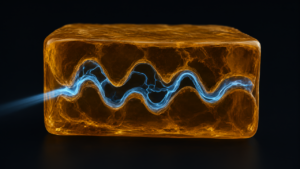
Conventional marine epoxy coatings typically rely on fossil feedstocks and possess thermoset crosslinked structures that prevent performance recovery after physical damage. They are also susceptible to ageing and combustion. To overcome these limits, the researchers utilized the dynamic nature of imine bonds within the Schiff base moieties. This allows for thermal self-healing; specifically, exposure to 200 °C for 2 hours enabled a 62 µm wide scratch to narrow to 12 µm, resulting in the complete recovery of corrosion resistance.
Significance & Outlook
By combining vanillin-derived chemistry with conjugated Schiff base linkages, the researchers have successfully integrated multiple protective functions into a single bio-based system without the need for halogenated or phosphorus-based flame retardants. This development expands the available toolkit for sustainable, high-performance protective coatings in marine engineering environments where microbial activity and salt-induced corrosion are primary drivers of degradation.
Get our weekly technology intelligence — free
Receive an infographic that lets you judge at a glance whether each field’s analysis report is worth reading.
Subscribe Free — Weekly Tech Intelligence
By subscribing, you’ll receive Troy-Technical’s weekly technology intelligence newsletter.
- Your email and selected fields are used only to deliver the newsletter.
- We never share your information with third parties.
- You can unsubscribe anytime via the link in each email.
See our Privacy Policy for details.
Takes about a minute · Unsubscribe anytime