
Key Findings
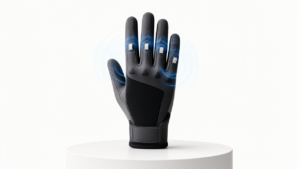
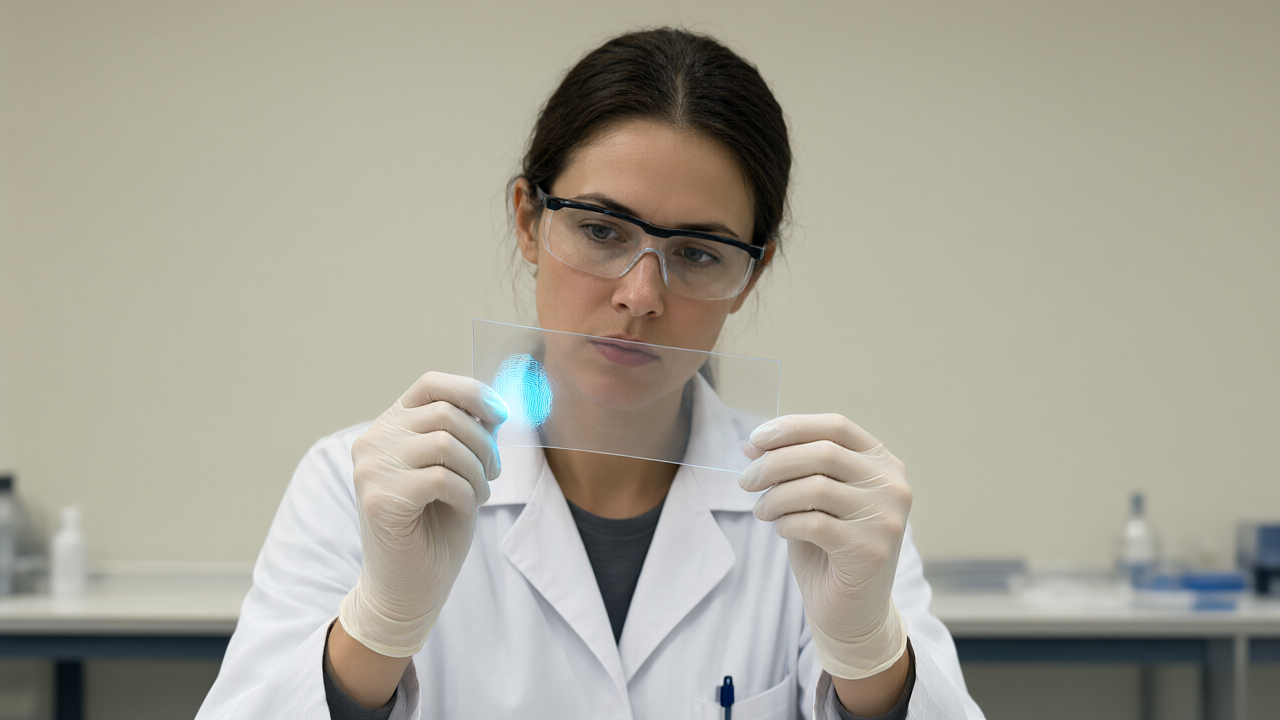
The eLuminator is a flexible electronic skin that instantly displays the shape and distribution of contact as light. Unlike traditional tactile sensors, it combines pressure sensing, measurement, and visualization within a single device. The artificial skin features a thickness of 70 micrometers and achieves a resolution of 847 dots per inch (dpi), which is sufficient to detail individual fingerprint ridges.
Technical Details
The device consists of three primary layers: an upper pressure-sensitive layer with thousands of microscopic dome-shaped structures, a middle light-emitting layer containing copper-doped zinc sulfide particles, and a bottom transparent electrode. Its operation is based on the following mechanism:
- An alternating electrical voltage creates an initial electric field that is too weak to trigger light emission.
- Physical pressure compresses the microscopic domes, increasing contact with the light-emitting layer and reducing the distance between electrodes.
- This strengthens the electric field, exciting the particles to emit visible light; higher pressure results in brighter illumination.
- Simultaneously, the compression changes the device’s electrical capacitance, allowing for quantitative electronic pressure measurements when connected to readout electronics.
Background & Context
Conventional electronic skins typically rely on arrays of tiny sensors that convert force into electrical signals, which must then be processed by a computer and displayed on a separate screen or delivered via haptic feedback. Examples include an inflatable prosthetic hand from MIT using a tactile matrix and a Johns Hopkins University device using an electromyography (EMG) link. These systems often suffer from bulk, complexity, and resolution limits due to the wiring required for individual sensing points.
Significance & Outlook
By integrating the sensing and display functions into a continuous pressure-sensitive structure, eLuminator removes the need for separate signal-processing circuits and external displays. This reduction in complexity and bulk makes the technology suitable for integration into robotic sensing, surgical instruments, and wearable healthcare devices.
Source: https://newatlas.com/robotics/eluminator-electronic-skin-displays-touch-as-light/
Get our weekly technology intelligence — free
Receive an infographic that lets you judge at a glance whether each field’s analysis report is worth reading.
Subscribe Free — Weekly Tech Intelligence
By subscribing, you’ll receive Troy-Technical’s weekly technology intelligence newsletter.
- Your email and selected fields are used only to deliver the newsletter.
- We never share your information with third parties.
- You can unsubscribe anytime via the link in each email.
See our Privacy Policy for details.
Takes about a minute · Unsubscribe anytime