
Key Findings
The Differential Aptalyzer, a wearable biosensor developed by a team led by Professor Leyla Soleymani, enables the continuous tracking of cardiac troponin I (cTnI), a critical biomarker for heart muscle injury. In validation tests reported in Science Advances, the platform selectively detected cTnI across a broad dynamic range of 0.003–0.640 ng/mL. In vivo testing using healthy mice showed that the device reliably detected dose-dependent fluctuations in cTnI, producing results consistent with serial blood sampling immunoassays. Additionally, the sensor successfully detected endogenously elevated cTnI in a mouse model of coronary artery disease.
Technical Details
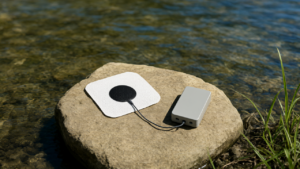
The technology overcomes the difficulty of sensing low-abundance proteins by combining high-affinity capture probes with a reversible signal transduction system. The device architecture includes:
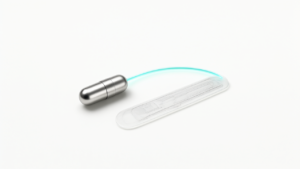
- Hydrogel Microneedle Patch: Microscopic polymer needles penetrate just beneath the skin to collect interstitial fluid and deliver it to the sensor.
- Sensing System: The platform utilizes high-affinity antibodies for the selective capture of cTnI and nucleic acid analogues known as aptamers.
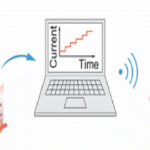
- Signal Transduction: The antibody-aptamer combination enables reagentless, continuous electrochemical signal transduction over several days.
Background & Context
Current cardiac monitoring relies on centralized laboratory workflows and repeated blood draws, which can cause diagnostic delays. This is particularly critical for the approximately 300 million people undergoing non-cardiac surgery annually. Around 20% of higher-risk patients experience myocardial injury post-surgery, and 90% of these cases are silent, making them undetectable without blood tests—a significant challenge for patients discharged on the same day.
Significance & Outlook
By shifting from episodic laboratory confirmation to near-continuous monitoring, the platform could reduce emergency department dwell time and allow for earlier escalation to invasive management. The research team is pursuing commercialization through a startup called Aptec Health and has received funding from the Canadian Institutes of Health Research. Future development aims to expand the sensor’s capabilities to include other protein targets related to heart failure and myocardial infarction.
Get our weekly technology intelligence — free
Receive an infographic that lets you judge at a glance whether each field’s analysis report is worth reading.
Subscribe Free — Weekly Tech Intelligence
By subscribing, you’ll receive Troy-Technical’s weekly technology intelligence newsletter.
- Your email and selected fields are used only to deliver the newsletter.
- We never share your information with third parties.
- You can unsubscribe anytime via the link in each email.
See our Privacy Policy for details.
Takes about a minute · Unsubscribe anytime