Key Findings
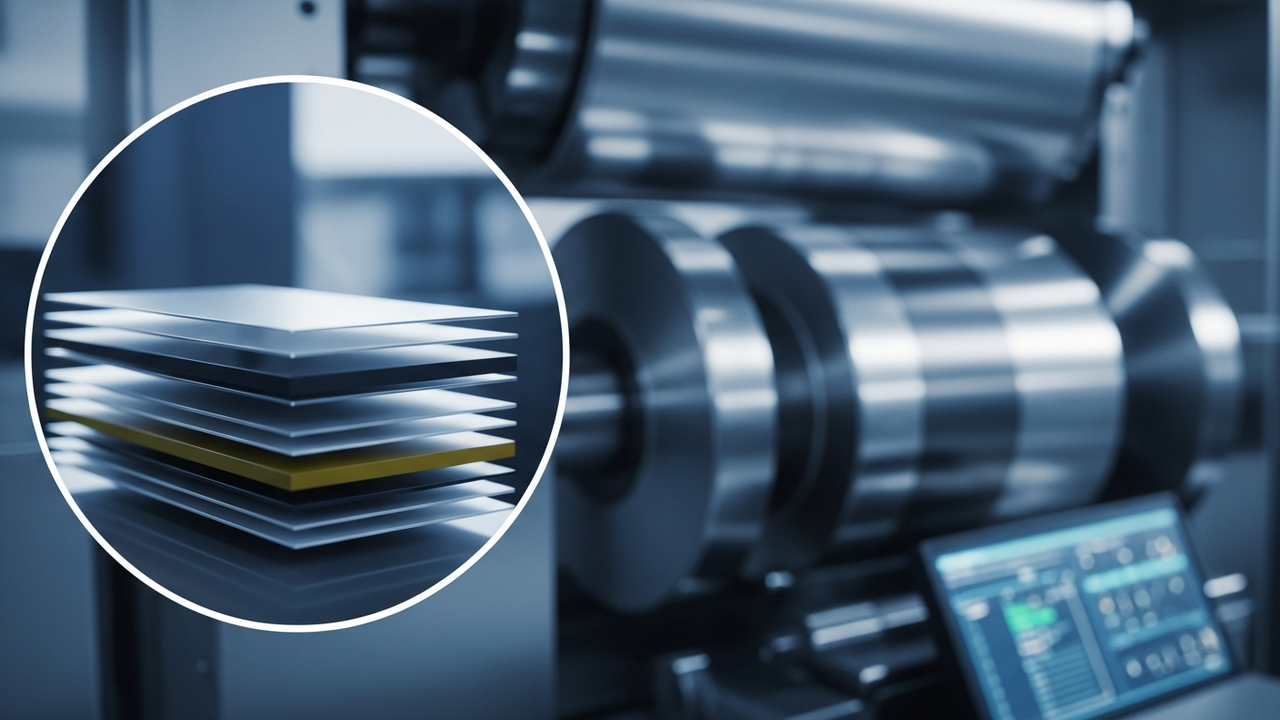
Honda has reportedly achieved a significant breakthrough in solid-state battery technology by developing a novel method to prevent the formation of lithium dendrites, a long-standing challenge. This innovative solution involves strategically placing a thin plastic barrier at sites where lithium crystals would otherwise nucleate and grow. This barrier effectively inhibits dendrite formation while preserving efficient electrical flow, thereby substantially extending battery lifespan. Furthermore, Honda is implementing a roll-pressing method for battery assembly, aiming to enhance manufacturing efficiency and reduce overall production costs.
Technical Details
Lithium dendrites are a major threat to the safety and lifespan of next-generation batteries utilizing lithium metal anodes, particularly solid-state batteries. These tree-like structures can grow to penetrate the electrolyte, leading to internal short circuits. Honda’s newly developed thin plastic barrier functions by physically impeding the non-uniform nucleation and growth of lithium crystals as lithium ions pass through the solid electrolyte and deposit onto the anode. This barrier is precisely engineered to maintain ionic conductivity while effectively suppressing dendrite propagation. Concurrently, the roll-pressing assembly method involves precisely and uniformly laminating and compressing electrode and solid electrolyte sheets. This technique reduces interfacial resistance, minimizes poor contact between electrodes, and improves manufacturing yield, ultimately contributing to reduced production costs and enhanced product quality and consistency.
Background & Context
With the growth of the electric vehicle (EV) market, there is an increasing demand for batteries with high energy density, fast charging capabilities, and exceptional safety. All-solid-state batteries are considered the most promising technology to meet these demands, but the dendrite problem and high manufacturing costs have been significant barriers to their commercialization. For a major automotive manufacturer like Honda, developing proprietary battery technology is crucial for stabilizing the supply chain, differentiating its products, and accelerating its electrification strategy. This breakthrough addresses core challenges of solid-state batteries, bolstering Honda’s electric vehicle roadmap.
Strategic Significance & Outlook
Honda’s new dendrite suppression method and the adoption of roll-press manufacturing represent critical advancements towards the commercialization of solid-state batteries. Resolving the dendrite issue will dramatically improve battery safety and reliability, further accelerating EV adoption. Enhancing manufacturing efficiency and reducing costs will enable solid-state batteries to be introduced to the market at more accessible price points, boosting competitiveness. Honda is already collaborating with QuantumScape on solid-state battery development, and combining this with their proprietary technology is expected to lead to the integration of high-performance, safe solid-state batteries into Honda EVs in the late 2020s to early 2030s. This technology is poised to be a key enabler for accelerating the electrification future of the automotive industry.
Source: https://www.topspeed.com/the-honda-solid-state-battery-breakthrough/
Get our weekly technology intelligence — free
Receive an infographic that lets you judge at a glance whether each field’s analysis report is worth reading.
Subscribe Free — Weekly Tech Intelligence
By subscribing, you’ll receive Troy-Technical’s weekly technology intelligence newsletter.
- Your email and selected fields are used only to deliver the newsletter.
- We never share your information with third parties.
- You can unsubscribe anytime via the link in each email.
See our Privacy Policy for details.
Takes about a minute · Unsubscribe anytime








Comments