Background
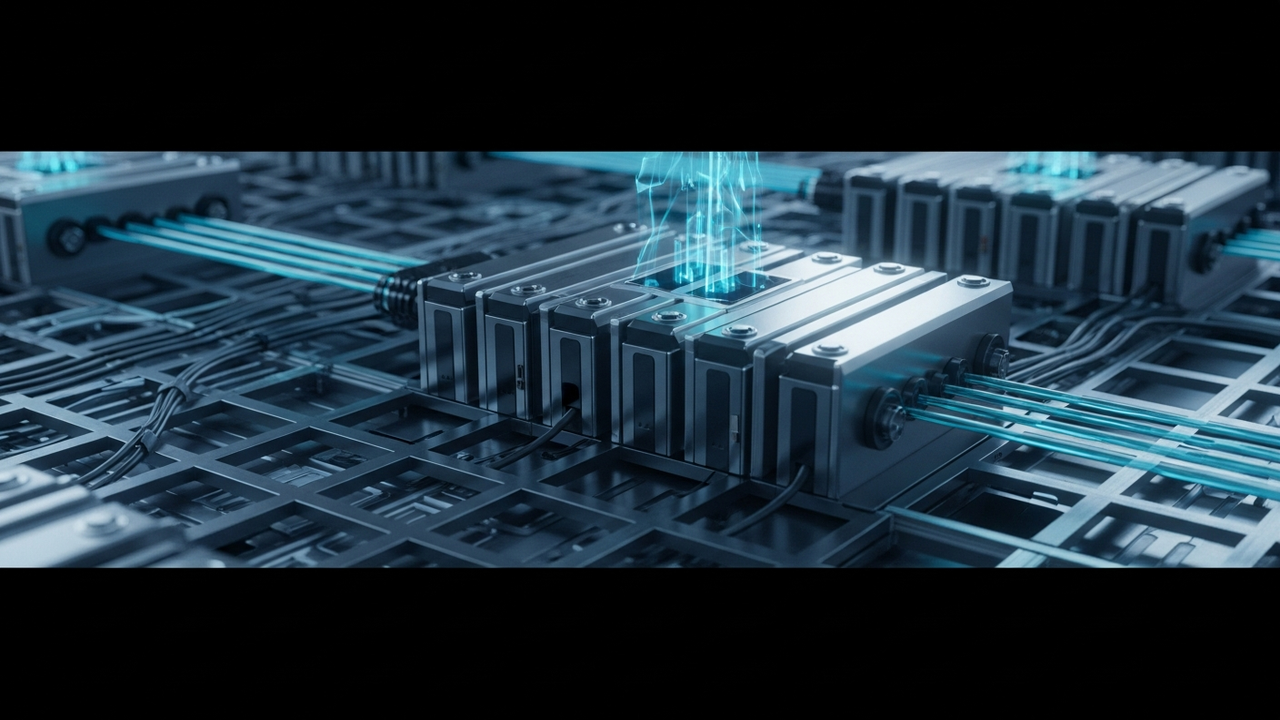
The increasing integration of intermittent renewable energy sources, such as solar and wind, into national grids has intensified the demand for advanced energy storage systems. Current grid batteries, predominantly lithium-ion, excel at short-duration storage but fall short in providing multi-day energy reserves necessary for grid stability when renewables are offline for extended periods. This critical gap is driving innovation in long-duration energy storage (LDES) technologies.
Key Findings
- Form Energy has made significant strides with its iron-air battery technology, demonstrating the capability to store and discharge electricity for an impressive duration of up to 100 hours. This far surpasses the typical 4-6 hour capacity of standard lithium-ion grid batteries.
- The iron-air battery leverages abundant and inexpensive materials, primarily iron, which inherently offers a cost advantage and reduces reliance on critical minerals. This makes it a highly competitive solution for large-scale, long-duration applications.
- In parallel, CATL, a global leader in battery manufacturing, is poised to enter the long-duration storage market with its sodium-ion battery technology. The company has announced plans for the commercial deployment of its inaugural sodium-ion energy storage system in September 2026.
- CATL’s ambitious goal is to ship 1 Gigawatt-hour (GWh) of these sodium-ion batteries across four different sectors by the close of 2026. This indicates a strategic move to diversify beyond lithium and capitalize on the cost-effectiveness and abundant supply of sodium.
Significance & Outlook
These developments signify a crucial inflection point in grid-scale energy storage. Form Energy’s 100-hour iron-air battery addresses the fundamental intermittency challenge of renewables by providing multi-day storage, ensuring continuous power supply even during prolonged periods of low renewable generation. This could drastically reduce the need for fossil fuel peaker plants and accelerate the transition to fully decarbonized grids.
CATL’s commercialization of sodium-ion batteries for grid storage, with a target of 1 GWh shipment by year-end, further validates the growing viability of non-lithium alternatives. Sodium-ion technology, utilizing earth-abundant materials, promises lower production costs and enhanced supply chain security. Both technologies are set to play a transformative role in enabling higher penetrations of renewable energy and building more resilient, sustainable, and cost-effective electricity grids globally. The combined efforts of these innovators are paving the way for a truly stable and renewable energy future.
Get our weekly technology intelligence — free
Receive an infographic that lets you judge at a glance whether each field’s analysis report is worth reading.
Subscribe Free — Weekly Tech Intelligence
By subscribing, you’ll receive Troy-Technical’s weekly technology intelligence newsletter.
- Your email and selected fields are used only to deliver the newsletter.
- We never share your information with third parties.
- You can unsubscribe anytime via the link in each email.
See our Privacy Policy for details.
Takes about a minute · Unsubscribe anytime





Comments