Key Findings
Experts from Indium Corporation are scheduled to present a suite of innovative materials solutions at the IMAPS Symposium, targeting advanced packaging, artificial intelligence (AI), and high-performance computing (HPC) applications. These presentations will highlight significant advancements in thermal management, soldering processes, and defect reduction, aiming to enhance the reliability and efficiency of next-generation high-performance devices.
Technical Details
The primary solutions to be showcased by Indium Corporation include:
- Ultra-Low Residue Flux Materials: Developed for micro-bump wafer bumping and chip-on-wafer processes, these materials minimize flux residue, thereby reducing post-process cleaning requirements and enhancing connection reliability.
- Mid-Temperature Solder Pastes: Engineered to effectively eliminate common solder joint defects such as Head-in-Pillow (HIP) and Non-Wetting Open (NWO). This improves solder joint quality and reliability, leading to higher manufacturing yields.
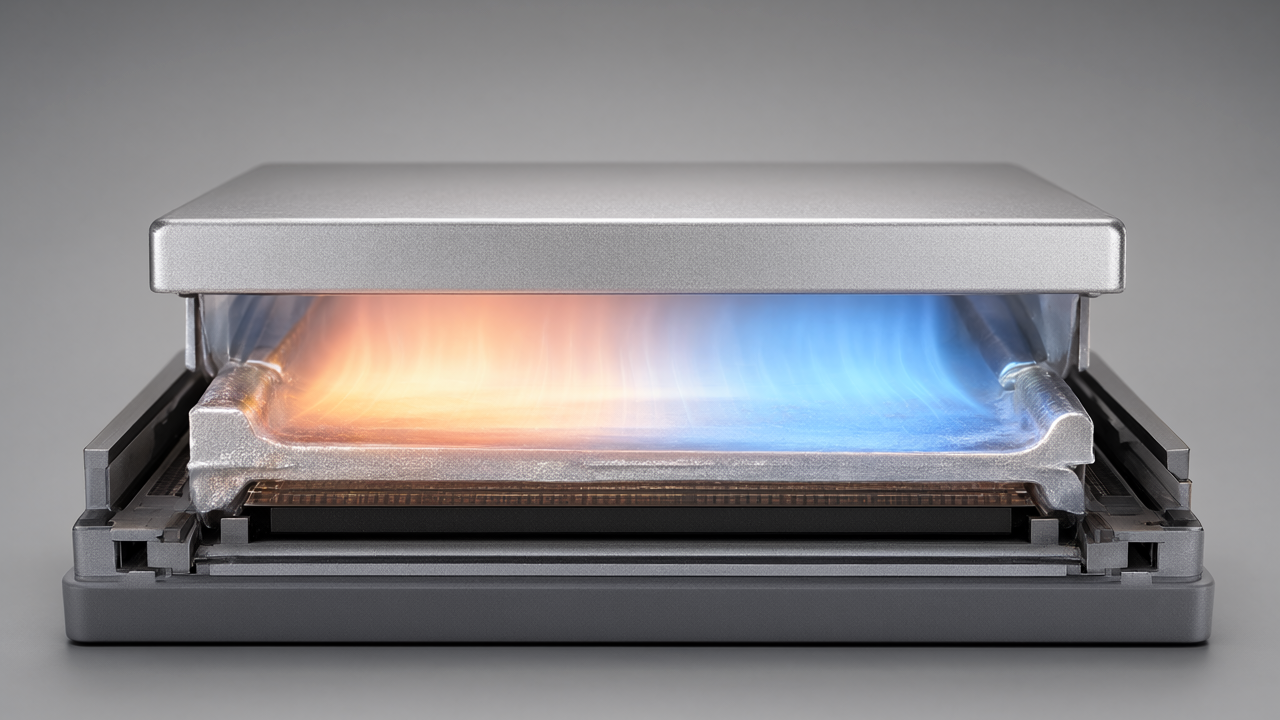
- Advanced Thermal Interface Materials (TIMs): Specifically designed to dramatically improve the thermal efficiency of High-Performance Computing (HPC) chips. Given the high heat densities in HPC, efficient heat transfer is crucial for performance and lifespan.
- Bismuth-Free, Indium-Containing Low-Temperature Solder ‘DFLT’: A particularly noteworthy offering, the DFLT solder has demonstrated its ability to mitigate warp-related defects often observed in large Ball Grid Array (BGA) assemblies. Furthermore, DFLT has been proven to enhance drop-shock reliability and electromigration performance, making it ideal for applications requiring high robustness.
These materials are formulated with precise chemical compositions and microstructure control to address the complex challenges inherent in advanced semiconductor packaging.
Background & Context
The rapid evolution of AI and HPC has fueled an explosive demand for semiconductor devices capable of processing data at higher speeds and volumes. This trend has led to increased chip power densities and greater complexity in advanced packaging technologies. Inefficient thermal management and unreliable solder joints are primary contributors to device performance degradation and failure, making breakthroughs at the material level indispensable. Indium Corporation’s solutions aim to resolve these technical bottlenecks, thereby enabling the realization of next-generation computing platforms.
Strategic Significance & Outlook
The materials solutions presented by Indium Corporation are expected to play a critical role in enhancing competitiveness within the AI and HPC markets. Low-temperature solders like DFLT, in particular, will improve manufacturing yields and reliability for large and complex packages, accelerating time-to-market for end products. Advanced TIMs will provide greater thermal design flexibility for high-performance chips, facilitating further performance enhancements. These technologies are anticipated to contribute to Indium Corporation’s market share growth across a wide range of applications demanding high density and reliability, including data centers, automotive electronics, and smartphones.
Get our weekly technology intelligence — free
Receive an infographic that lets you judge at a glance whether each field’s analysis report is worth reading.
Subscribe Free — Weekly Tech Intelligence
By subscribing, you’ll receive Troy-Technical’s weekly technology intelligence newsletter.
- Your email and selected fields are used only to deliver the newsletter.
- We never share your information with third parties.
- You can unsubscribe anytime via the link in each email.
See our Privacy Policy for details.
Takes about a minute · Unsubscribe anytime







Comments