


Key Findings
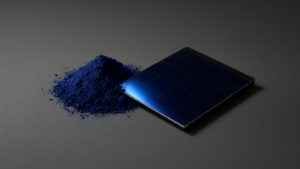
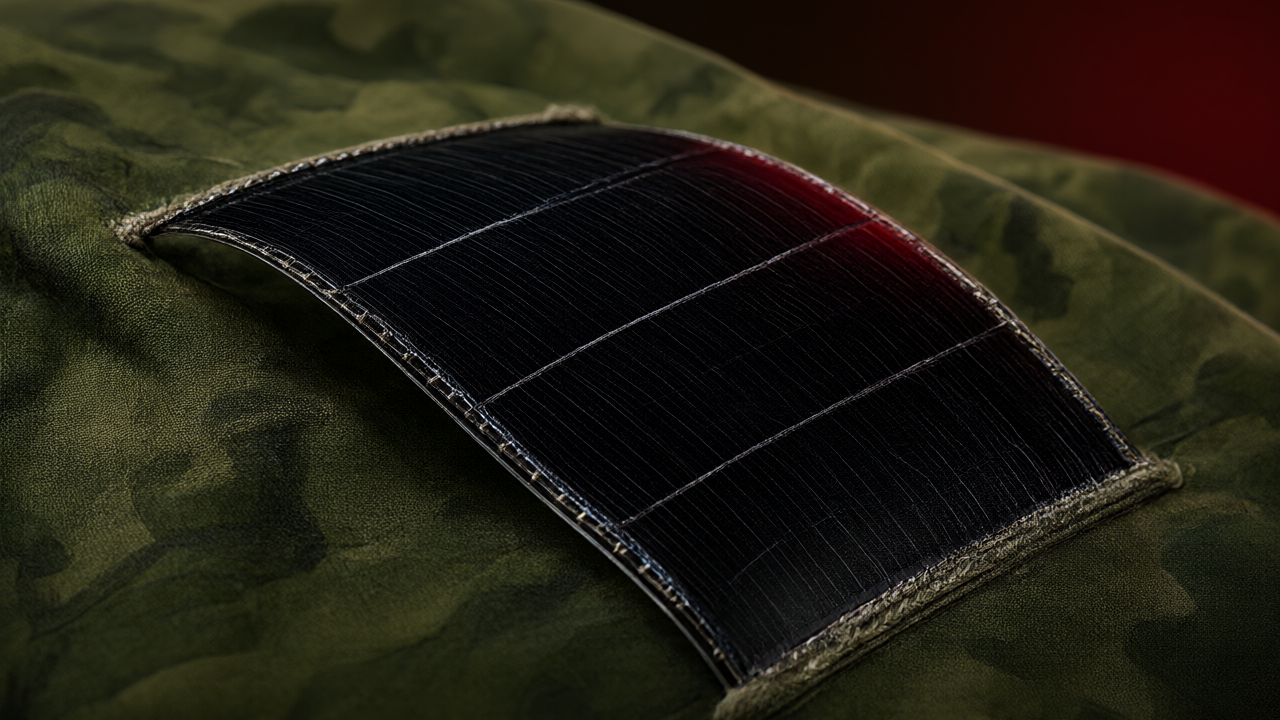
Researchers at Florida International University have created an ultra-thin, flexible semiconductor film capable of dual-purpose operation: converting daylight into electricity and emitting near-infrared (NIR) light. In laboratory tests, the device achieved a power conversion efficiency of 22.02% on a 0.12 cm² cell and 20.43% on a 1.1 cm² device. This high efficiency allows the paper-thin module to serve as a viable replacement for bulky solar generators.
Technical Details
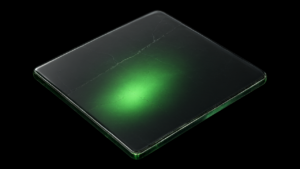
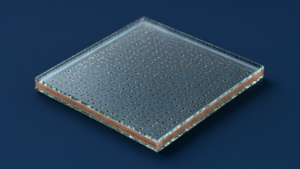
The film utilizes engineered thin semiconductor layers to increase the absorption of sunlight trapped within micro-thin boundaries, overcoming the typical efficiency losses associated with thin-film absorbers. While standard solar materials cannot emit light when biased, this active material is modified to become a light source when a reversed current is applied. This reversal produces narrow-band NIR light with a peak at 818-nm, which appears as a faint pink glow to the human eye but is detectable by night-vision devices.
To ensure durability in field conditions, the electronics feature:
- A tough polymer base that resists cracking during repeated mechanical twisting and folding.
- Encapsulation layers that protect electrical contacts from dust and water penetration during rain or mud contamination.
Background and Context
The technology targets the logistical burden on infantry soldiers, who typically carry approximately 20 pounds of lithium batteries to power GPS equipment, radios, and night-vision goggles. By integrating energy-harvesting materials into garment fabric, the uniform itself becomes an energy producer, potentially mitigating resupply delays during prolonged tactical operations.
Significance and Outlook
The transition from laboratory proof-of-concept to commercial uniform production depends on scaling the chemical deposition process. Engineers must maintain accurate temperature control across large, flexible substrate rolls to avoid inconsistent deposition and “dead spots” that would result in efficiency losses. While the rugged construction suggests suitability for harsh environments, Florida International University notes that operational suitability for wilderness combat has not yet been tested in field deployments.
Source: https://www.ecoportal.net/en/miami-engineers-thin-solar-cell/43484/
Get our weekly technology intelligence — free
Receive an infographic that lets you judge at a glance whether each field’s analysis report is worth reading.
Subscribe Free — Weekly Tech Intelligence
By subscribing, you’ll receive Troy-Technical’s weekly technology intelligence newsletter.
- Your email and selected fields are used only to deliver the newsletter.
- We never share your information with third parties.
- You can unsubscribe anytime via the link in each email.
See our Privacy Policy for details.
Takes about a minute · Unsubscribe anytime