Key Findings
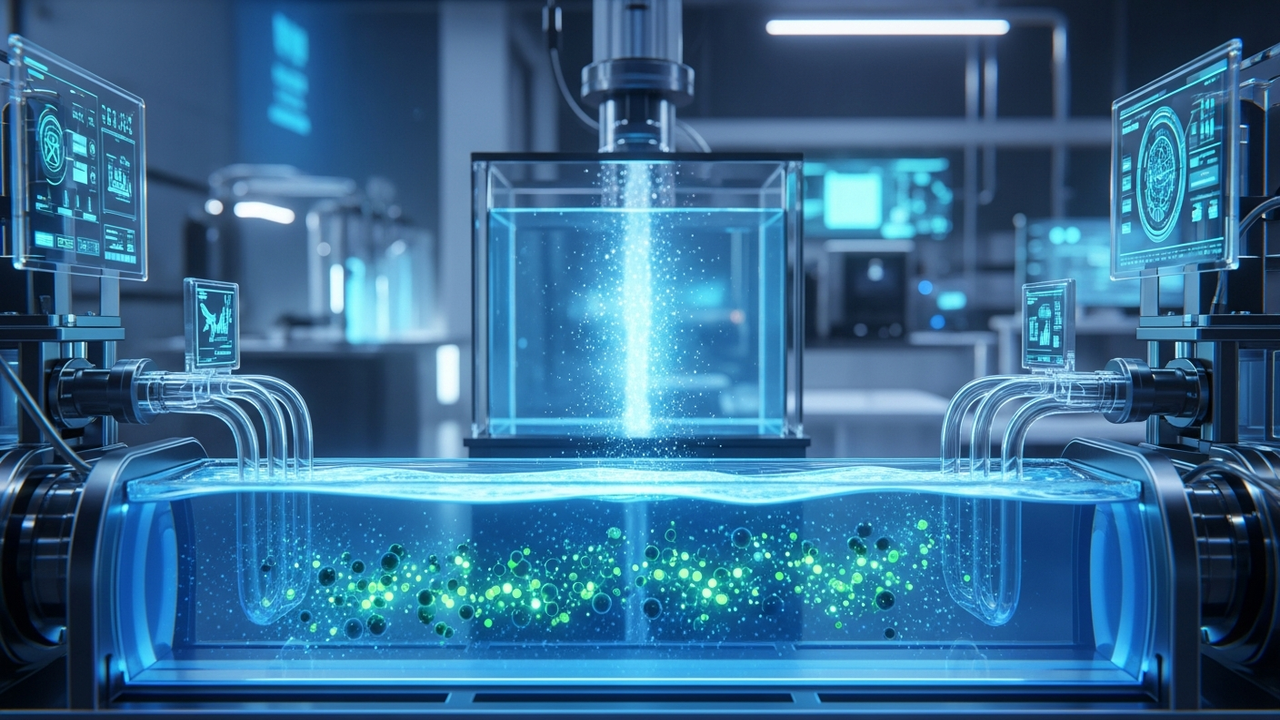
This review concludes that sustainably and green-synthesized biogenic iron oxide nanoparticles (IONPs) offer a promising solution for the remediation of emerging contaminants (ECs) such as PFAS (per- and polyfluoroalkyl substances), pharmaceuticals, and organic pollutants from aquatic systems. These nanoparticles, due to their distinct physicochemical properties and environmentally friendly synthesis pathways, hold the potential to surpass conventional purification technologies.
Technical / Clinical Details
Biogenic IONPs are synthesized using microorganisms or plant extracts, minimizing chemical usage and reducing environmental impact. These nanoparticles possess a high surface-area-to-volume ratio, exceptional adsorption capacity, and easy magnetic separation characteristics. This enables them to efficiently capture trace amounts of ECs present in water, and subsequently, be readily separated and recovered from water using an external magnetic field. For PFAS, removal efficiency is achieved through multiple mechanisms including ion exchange, adsorption, and redox reactions. Notably, they offer higher treatment efficiency and lower risk of secondary pollution compared to many existing water treatment technologies. Furthermore, their abundant active sites suggest catalytic functions, potentially promoting the degradation of pollutants, adding another layer of efficacy.
Background & Context
Emerging contaminants like PFAS pose urgent global environmental challenges due to their persistence, bioaccumulation, and adverse health effects. Conventional physicochemical and biological treatment technologies have struggled to effectively remove these recalcitrant pollutants, necessitating innovative solutions. The development of technologies based on ‘green chemistry’ principles, especially those that are environmentally conscious, is crucial for achieving a sustainable society. Biogenic IONPs respond to this demand, attracting significant attention as an eco-friendly and efficient water purification technology.
Strategic Significance & Outlook
While highlighting the significant potential of biogenic IONPs for EC removal, this review also emphasizes the need for further research to expand their applicability and optimize synthesis methods. Specifically, more detailed elucidation of removal mechanisms for different pollutants, validation of scalability for large-scale production, and long-term performance evaluation in actual water treatment plants are future focal points. If this technology is established, it is expected to contribute significantly to securing safe drinking water supplies, preserving ecosystems, and addressing global environmental pollution issues, marking a paradigm shift in sustainable water treatment.
Source: https://pubs.acs.org/doi/abs/10.1021/acs.estlett.6c00068
Get our weekly technology intelligence — free
Receive an infographic that lets you judge at a glance whether each field’s analysis report is worth reading.
Subscribe Free — Weekly Tech Intelligence
By subscribing, you’ll receive Troy-Technical’s weekly technology intelligence newsletter.
- Your email and selected fields are used only to deliver the newsletter.
- We never share your information with third parties.
- You can unsubscribe anytime via the link in each email.
See our Privacy Policy for details.
Takes about a minute · Unsubscribe anytime




Comments