Key Findings
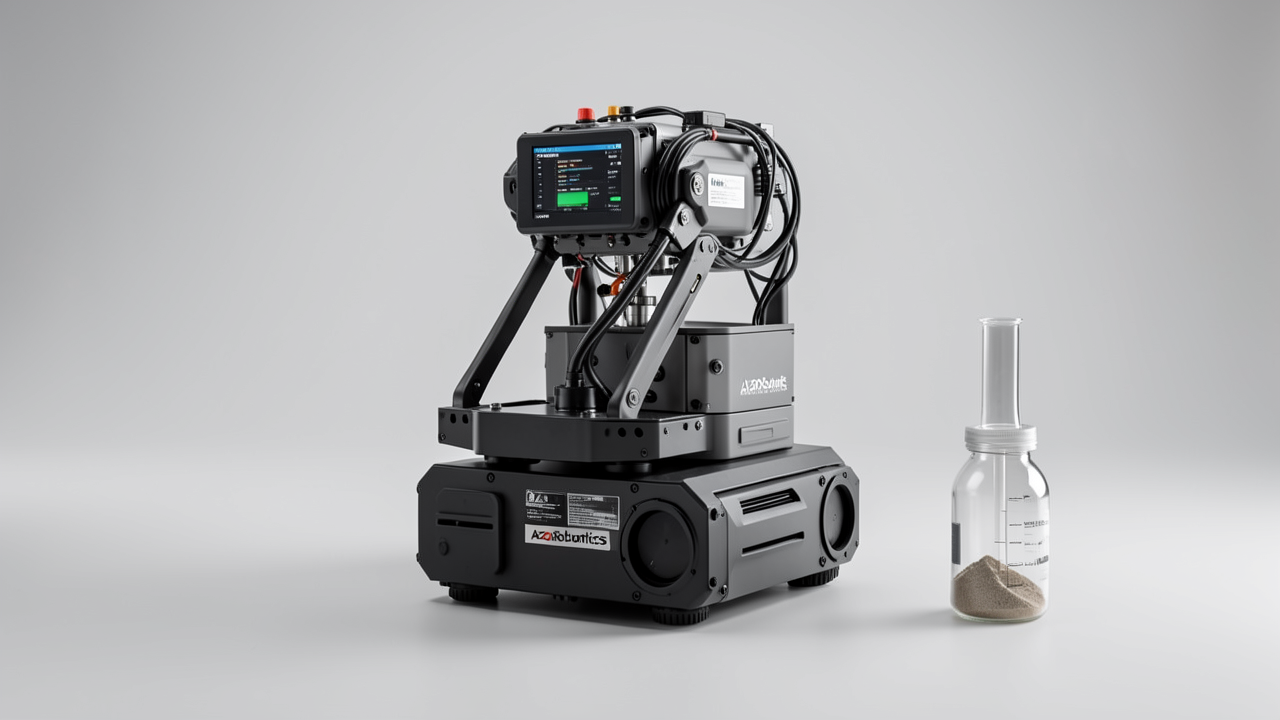
Robotic infrastructure inspection is revolutionizing the damage assessment of structures in locations difficult for humans to access, such as bridges, tunnels, pipelines, and offshore platforms. This technology integrates AI and ultrasonic probes to not only detect damage but also to translate it into actionable repair information.
Technical Details
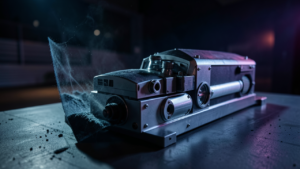
These infrastructure inspection robots come in various forms to suit diverse environments. Examples include crawler robots that navigate inside pipelines, arm-equipped robots for inspecting the underside of bridges, and multi-rotor aerial platforms (drones) that rapidly cover vast areas. Common to all is the use of advanced sensors and analytical technologies.
- AI-Powered Data Analysis: Data collected by robots, including visual, thermal, and ultrasonic information, is analyzed in real-time by AI. The AI automatically identifies minute cracks, corrosion, material degradation, and structural flaws, evaluating the extent and type of damage.
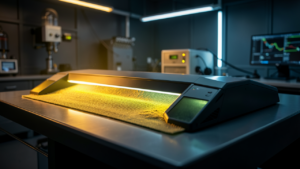
- Ultrasonic Probes: Ultrasonic probes are used for non-destructive testing to detect internal defects and changes in material thickness within structures. This allows for the identification of fatigue cracks and voids that are not visible from the surface.
- Multi-Rotor Aerial Platforms: Drones rapidly photograph and inspect large areas of infrastructure, such as dam surfaces, extensive bridges, and elevated roads. They collect data non-contact, ensuring safety and efficiency.
By combining these technologies, inspection robots can provide detailed reports on the location, type, and severity of damage, offering specific recommendations regarding the type and urgency of necessary repairs. This significantly streamlines maintenance planning and contributes to extending the lifespan of infrastructure.
Background & Context
The world’s aging infrastructure necessitates regular inspection and maintenance. However, inspections in hazardous and hard-to-access locations such as heights, underground, and underwater entail significant costs, time, and human risk. Robotic inspection offers a cost-effective and safe solution to these challenges. Moreover, its ability to detect subtle damages often missed by human inspection directly leads to improved infrastructure reliability. This holds critical importance across all foundational sectors of society, including transportation infrastructure, energy supply networks, and water resource management.
Strategic Significance & Outlook
The technology for infrastructure inspection robots is expected to evolve rapidly. Developments will include higher-performance sensors, more advanced AI algorithms, and mobility systems capable of operating in diverse environments. In the future, this technology may become the first step towards realizing “self-repairing infrastructure” that can not only inspect but also autonomously perform minor repairs. Furthermore, the integration of collected data with cloud computing and digital twin technologies is anticipated to enable a more comprehensive management system throughout the entire infrastructure lifecycle.
Source: https://www.azorobotics.com/Article.aspx?ArticleID=851
Get our weekly technology intelligence — free
Receive an infographic that lets you judge at a glance whether each field’s analysis report is worth reading.
Subscribe Free — Weekly Tech Intelligence
By subscribing, you’ll receive Troy-Technical’s weekly technology intelligence newsletter.
- Your email and selected fields are used only to deliver the newsletter.
- We never share your information with third parties.
- You can unsubscribe anytime via the link in each email.
See our Privacy Policy for details.
Takes about a minute · Unsubscribe anytime



Comments