TROY TECHNICAL · BEGINNER’S GUIDE
READ THIS FIRSTHydrogen energy — An Introduction
Why not use electricity directly? Follow production, transport and use.
Japanese version →Hydrogen can be used without emitting carbon dioxide from the hydrogen itself at the point of use. Why not use it everywhere? The answer requires a complete chain: how it is produced, how it is transported and what service it provides. That chain matters more than colour labels or equipment abbreviations.
01Hydrogen has to be produced
Releasing hydrogen from water or chemical compounds takes energy and feedstock. It is useful to think of it primarily as a carrier made using other energy, rather than as a fuel extracted and used like a primary fossil resource.
Hydrogen is also a chemical feedstock. Its role is not limited to generating electricity. Distinguish applications needing a molecule, such as chemical production or reduction in steelmaking, from those merely needing heat or motion.
Background: [1]
02Electrolysers and fuel cells do different jobs
Electrolysis uses electricity to split water into hydrogen and oxygen. A fuel cell uses the reaction of hydrogen with oxygen to deliver electricity and heat. The principles are related, but the round trip is not lossless.
PEM, alkaline, AEM and solid-oxide approaches differ in ion-conducting materials and operating conditions. A complete installation needs more than the stacked electrodes, membranes and plates: water treatment, gas separation, power conversion and thermal management may also be required.

03A light gas can be demanding to store by volume
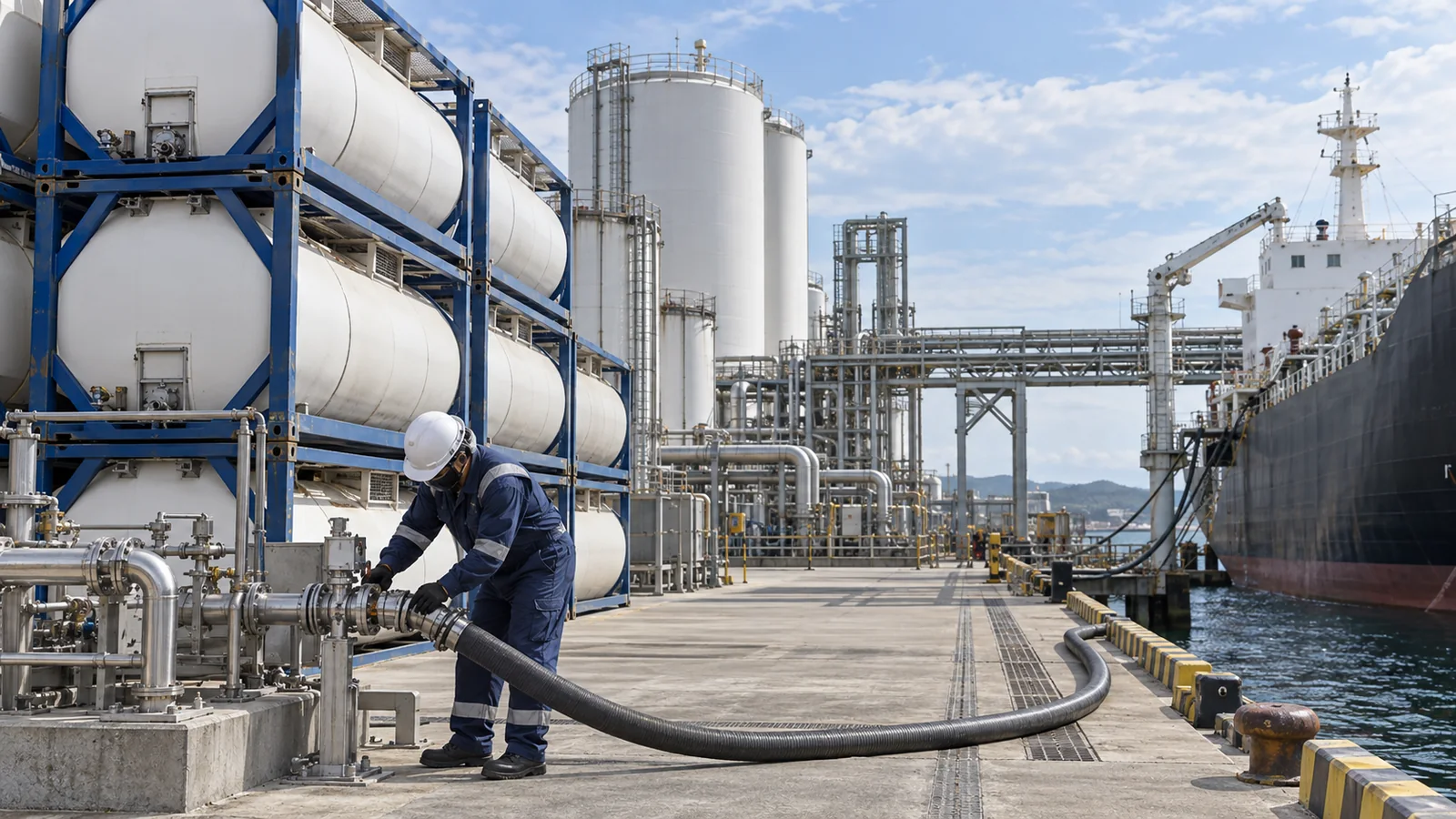
Hydrogen has substantial energy per unit mass but occupies a large volume as an ambient-pressure gas. Compression, liquefaction or conversion into a carrier such as ammonia require different containers and processing equipment.
A carrier may also need conversion before use. Compare conversion losses, equipment, distance and the receiving application. A kilogram of hydrogen alone does not describe the usefulness or efficiency of its supply chain.
Background: [3]
04Read lifecycle emissions, not just colour labels
Even when hydrogen use produces no carbon dioxide from the fuel, its electricity, fuels and feedstock supply can cause emissions. Adding carbon capture does not imply that every emission is captured.
Colour labels such as green and blue are introductory shorthand, not uniform guarantees. Check the system boundary, electricity supply, capture assumptions and treatment of leakage before comparing pathways.
05Compare with direct electrification for the intended job
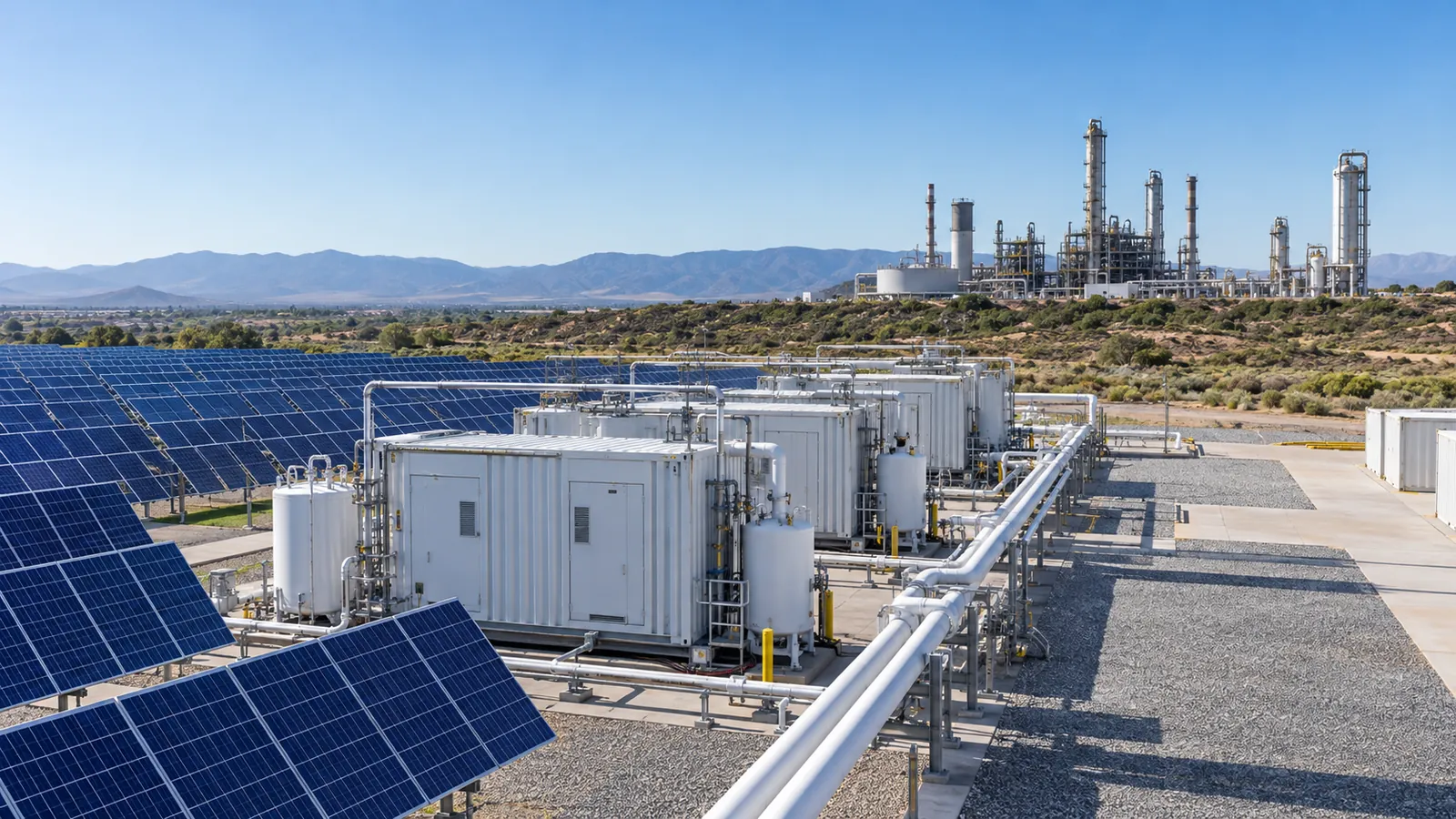
Where equipment or batteries can use electricity directly, that can avoid converting electricity into hydrogen and back. Other applications may need a chemical molecule, extended storage or changes to difficult-to-electrify processes. Those needs can provide a reason to consider hydrogen.
Leakage, ignition, material compatibility, high pressure and cryogenic conditions require professional engineering. This guide is not handling instruction. Evaluate a hydrogen chain against a defined service, not as a universal solution.
Background: [1]
Connect the ideas in one situation
ILLUSTRATIVE SCENARIO — NOT A PERFORMANCE CLAIM
Suppose surplus electricity should be used later
Compare battery storage with producing and storing hydrogen. Hydrogen adds electrolysis, storage preparation such as compression, and possibly conversion at use. Duration, scale or demand for a chemical feedstock can nevertheless provide reasons to consider it.
Operating only during surplus periods also changes equipment utilization. Assess the complete supply service, not conversion efficiency or electricity price in isolation.
Return to the starting idea
Hydrogen is an energy carrier. Compare the value of storing or transporting it with the losses and equipment it requires, including alternatives such as direct electrification.
You do not need to memorize every technology name. Understanding the intended improvement, the mechanism being changed and the conditions needed to demonstrate it gives you a foundation for the detailed articles. Choose one route that matches your question.
Choose your next article
Read a route from top to bottom, or select just the question you need. You do not have to read everything.
Production
Storage and transport
Uses and system assessment
Browse all technical articles in this field (26)
- AEM Water Electrolysis
- CCS (Carbon Dioxide Capture and Storage)
- CFRP and Composite Materials
- PEM Water Electrolysis
- SAF and e-Fuels
- Alkaline Water Electrolysis
- Ammonia as a Hydrogen Carrier
- Hydrogen Energy Carriers
- Hydrogen Co-Firing in Gas Turbines
- Barrier Properties and Coatings
- Fluoropolymers and PFAS
- Methanol
- The Photoelectrochemical Cell
- Solid Oxide Fuel Cells (SOFC)
- Solid Oxide Electrolysis Cells (SOEC)
- Hydrogen Colors and Carbon Intensity
- The Cost of Producing Hydrogen
- Hydrogen Combustion Engines
- Hydrogen Pipelines
- Hydrogen Steelmaking
- Electrolyzer Stacks and Materials
- Liquid Hydrogen
- Fuel Cell Vehicles and PEM Fuel Cells
- Platinum Group Metals and Catalysts
- Power Grids and Renewables
- High-Pressure Hydrogen Tanks
Sources and scope
This introductory synthesis connects the existing technical articles. Its grouping and design scenarios are explanatory, not standard classifications or test results. It does not catalogue current records, product availability or approvals, or forecast costs. Foundational references are below; linked articles provide more detailed technical sourcing.