TROY TECHNICAL · BEGINNER’S GUIDE
READ THIS FIRSTiPS cells and regenerative medicine — An Introduction
The path from making cells to using them safely and usefully.
Japanese version →Can living cells help restore or support a damaged tissue? Regenerative medicine tackles that question. It is not as simple as putting cells into the body and expecting everything to return to normal. Connecting the cell type, intended function, delivery and evidence of benefit and harm makes the wider field easier to understand.
01iPS cells are a starting point, not a finished body part
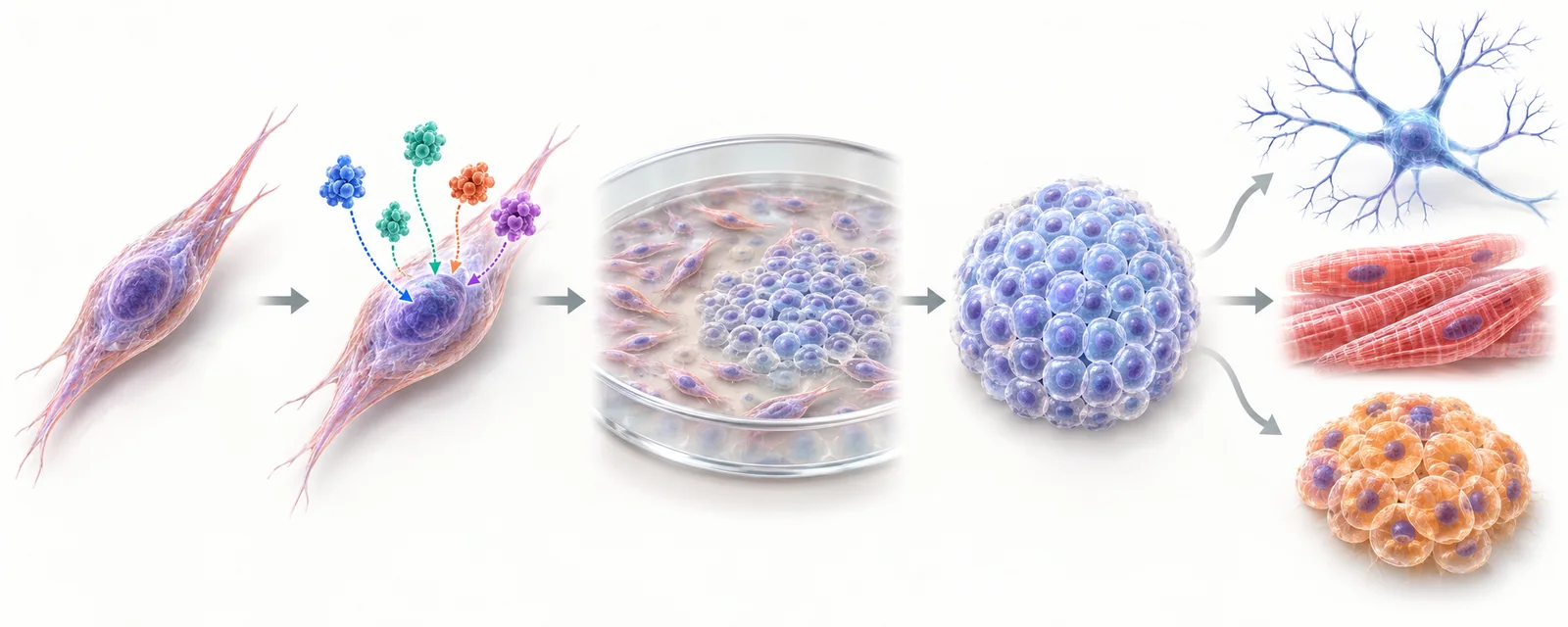
Skin and blood cells already perform specialized roles. Reprogramming can return such cells to a state with the potential to form many specialized cell types: induced pluripotent stem cells, or iPS cells. Directing them towards a role such as nerve or heart muscle is differentiation.
Pluripotency means the capacity to generate many cell types, not the ability to make a complete human body in a dish. A treatment usually calls for cells differentiated and purified for a particular purpose. Remaining undifferentiated cells and unwanted cell types are important safety concerns.
02Separate therapy, disease models and drug testing
Three uses provide a helpful map. Cells may be used in a patient to support a missing function; cultured to investigate a disease mechanism; or used to test drug responses and toxicity. The latter two do not necessarily involve transplanting the cells into anyone.
An organoid is a three-dimensional culture model reproducing selected features of a tissue, not a miniature finished organ. Regenerative and cell-based medicine also includes cells that never pass through an iPS state and approaches that harness immune cells. Sharing a field label does not make these approaches equivalent.
Background: [1]
03Whose cells are used?
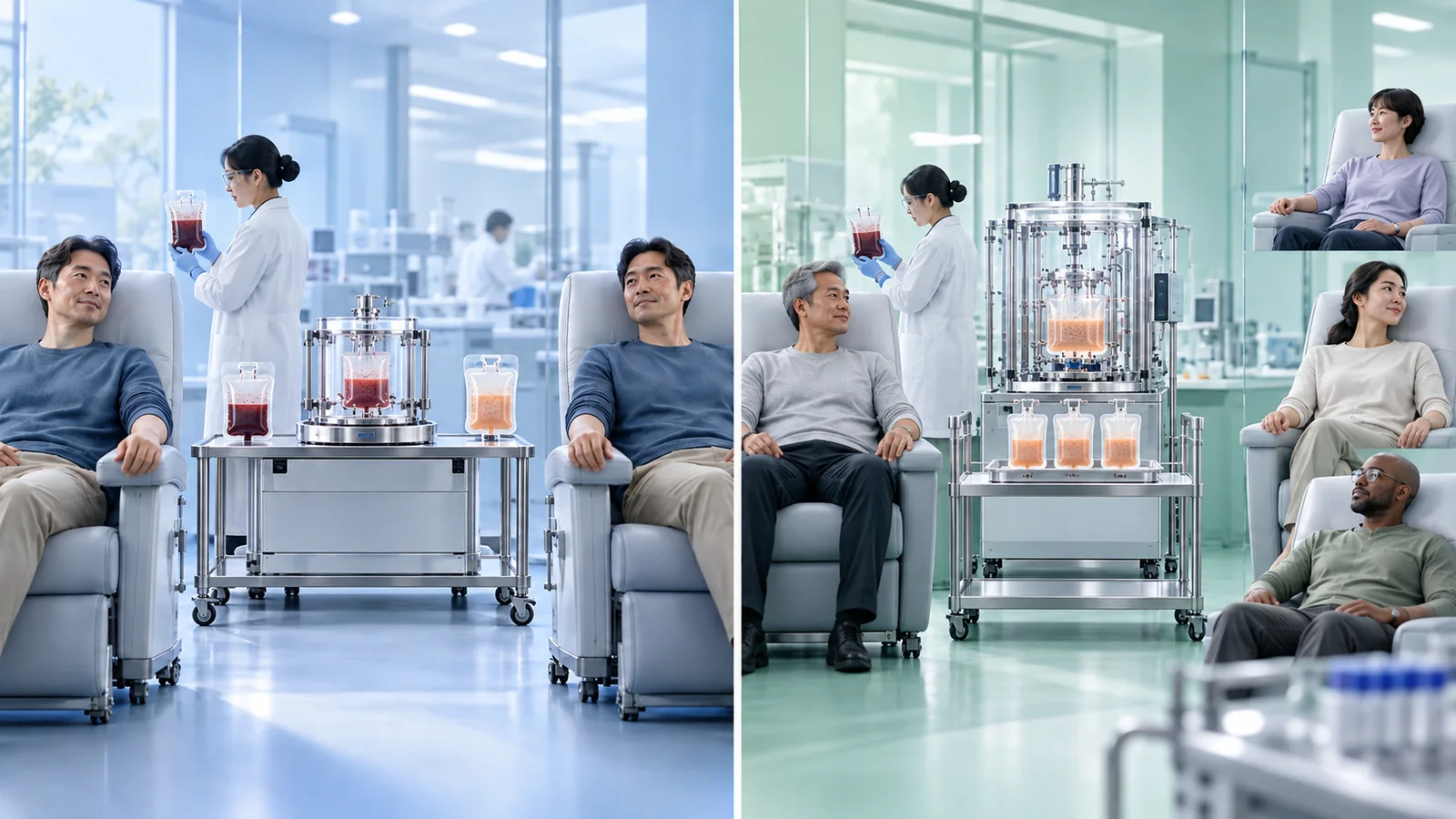
Autologous approaches use the patient’s own cells; allogeneic approaches use cells from another person. Patient-specific manufacturing and identity tracking are central to the former. The latter may support shared starting material and inventory, but introduces questions of immune compatibility and rejection.
Using one’s own cells does not eliminate all immune or manufacturing problems. Using donor cells does not mean one product is immediately suitable for everyone. The choice depends on the disease, cell type, processing and available time.
Background: [1]
04Living products need quality built into the process
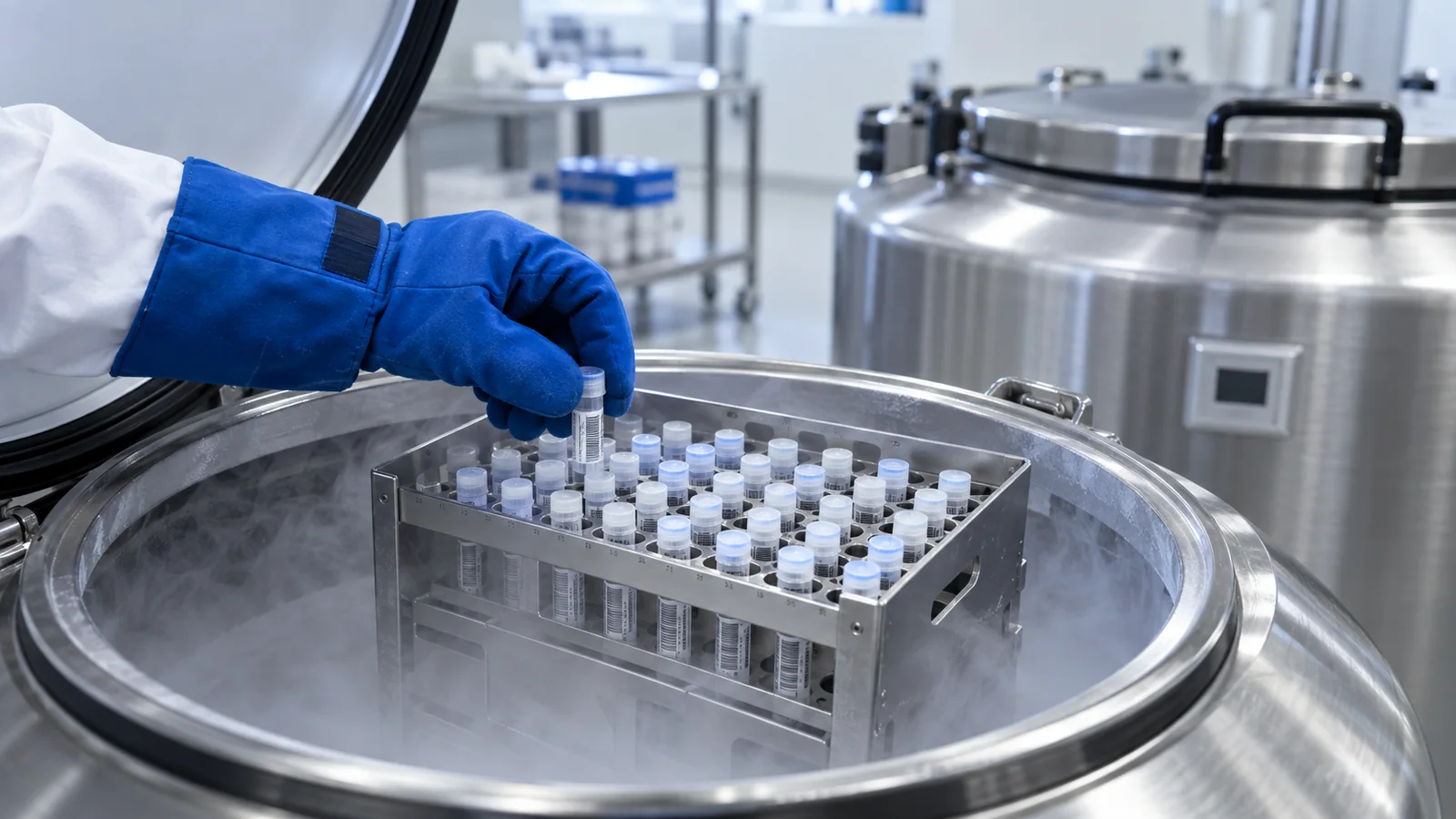
Cells can change while they multiply. Starting material, culture, differentiation, collection, storage and transport therefore need controls for identity, unwanted components, microbial contamination and intended function. A cell bank stores characterized cells to provide a controlled starting point.
Equal amounts in two vials do not guarantee equal function. Quality must extend through thawing and delivery. GMP concerns manufacturing and quality controls; CMC information describes materials, manufacturing and quality. A final test alone cannot remove every uncertainty.
Background: [3]
05Distinguish making cells from helping patients
Producing a cell type, demonstrating activity in an animal, studying safety in people and improving an important patient outcome are different stages. Changes in a small group cannot alone establish long-term benefit or rare harms. Check the patient population, comparator, follow-up and outcome measured.
This guide introduces the technology; it is not treatment advice or a list of approvals. Once the intended role of the cells is clear, the routes below lead to applications, manufacturing and evaluation without confusing promise with demonstrated benefit.
Background: [1]
Connect the ideas in one situation
ILLUSTRATIVE SCENARIO — NOT A PERFORMANCE CLAIM
Use diabetes cell therapy as a map
Consider replacing an insulin-secreting function. Researchers first need suitable cells and evidence that they respond to glucose. They must then consider where those cells can survive and how immune responses will be managed. More cells alone do not solve those questions.
Patient outcomes, including glucose control and harms, must then be assessed against treatment burdens. This is a way of organizing the technology, not a claim that a particular treatment is approved or suitable for a person.
Return to the starting idea
iPS cells are one starting material for producing specialized cells. Making those cells must be paired with consistent manufacturing and evidence of safety and benefit.
You do not need to memorize every technology name. Understanding the intended improvement, the mechanism being changed and the conditions needed to demonstrate it gives you a foundation for the detailed articles. Choose one route that matches your question.
Choose your next article
Read a route from top to bottom, or select just the question you need. You do not have to read everything.
Start with cells
Make, preserve and deliver
Applications and evidence
Browse all technical articles in this field (28)
- CAR-T Cells
- CDMOs (contract development and manufacturing organisations)
- GMP (Good Manufacturing Practice)
- MHC and Universal Donors
- QbD and CMC
- iPS Cell-Derived Immune Cells
- iPS-Derived Neurons and Parkinson’s Disease
- iPS Cells
- mRNA Medicines and Lipid Nanoparticles
- Viral Vectors
- Exosomes (Extracellular Vesicles)
- Off-Target Effects and Safety Assessment
- Organoids and Spheroids
- Genome Editing
- Cytokine Release Syndrome (CRS)
- Transthyretin Amyloidosis (ATTR)
- Hydrogels as Cell Scaffolds
- Bioprinting and Bioinks
- Biomarkers and Clinical Endpoints
- Bioreactors
- Expedited Programs for Regenerative Medicine
- Regulatory Submissions and Real-World Data
- Cell Therapy for Diabetes
- Cell Manufacturing and Cell Banking
- Lipid Nanoparticles (LNPs)
- Autologous and Allogeneic
- Genome-Edited Therapies for Blood Disorders
- Mesenchymal Stem Cells (MSCs)
Sources and scope
This introductory synthesis connects the existing technical articles. Its grouping and design scenarios are explanatory, not standard classifications or test results. It does not catalogue current records, product availability or approvals, or forecast costs. Foundational references are below; linked articles provide more detailed technical sourcing.
- CiRA, Kyoto University. Basic knowledge about iPS cells
- Takahashi et al.. Induction of pluripotent stem cells from adult human fibroblasts
- ICH. Q5D: Derivation and characterisation of cell substrates