
Key Findings
Samsung Electronics is reportedly reconfiguring its backend operations at the Cheonan plant to significantly shift packaging capacity towards High Bandwidth Memory (HBM), driven by the escalating demand for AI chips. This strategic move aims to solidify Samsung’s leadership in the burgeoning AI memory market.
Technical / Clinical Details
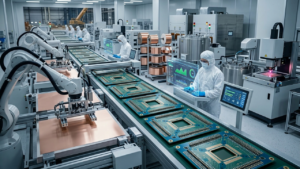
According to reports, Samsung plans to gradually scale back the packaging of Exynos mobile application processors (APs) and reallocate the associated equipment for HBM packaging. This transition is anticipated to begin in earnest next year. HBM is a crucial advanced memory technology for AI accelerators and high-performance GPUs, offering significantly higher bandwidth and lower power consumption than conventional DRAM through its stacked architecture. Samsung has already invested 10 trillion won (approximately $7.5 billion USD) in its HBM facilities in Cheonan, and the early mass production and shipment of HBM4 (4th-generation HBM) contributed to a substantial increase in DRAM bit shipments in Q2 2026. This reorganization signifies a strategic pivot from commoditized products like mobile APs to high-value, AI-specific memory solutions, reflecting a broader industry trend towards specialization in critical AI components.
Background & Context
The increasing complexity and scale of AI models have led to an exponential demand for specialized memory technologies like HBM. Major AI chip manufacturers, such as NVIDIA, recognize that securing sufficient HBM supply is one of the primary bottlenecks determining the production volume of AI accelerators. Samsung’s move is a direct response to this market shift, aiming to expand its share in the HBM market against key competitors like SK Hynix and Micron. As demand for mobile APs moderates and HBM demand skyrockets, reallocating resources becomes an imperative strategic decision for corporate profitability and future growth.
Strategic Significance & Outlook
Samsung’s large-scale shift towards HBM packaging will have a significant impact on the entire AI chip supply chain. Stabilizing HBM supply is crucial for boosting the production capacity of AI accelerators, which in turn could accelerate the widespread adoption of AI technologies. Moving forward, Samsung is expected to pursue further innovations in HBM technology, aiming to maintain its competitive edge in HBM4 and subsequent generations. This investment and strategic reorientation represent a vital step for Samsung to preserve its position as a memory market leader and establish new growth engines in the era of AI.
Get our weekly technology intelligence — free
Receive an infographic that lets you judge at a glance whether each field’s analysis report is worth reading.
Subscribe Free — Weekly Tech Intelligence
By subscribing, you’ll receive Troy-Technical’s weekly technology intelligence newsletter.
- Your email and selected fields are used only to deliver the newsletter.
- We never share your information with third parties.
- You can unsubscribe anytime via the link in each email.
See our Privacy Policy for details.
Takes about a minute · Unsubscribe anytime





Comments